
Understanding Pleather Meaning: Your Next“No-Guilt”Bag
author: li
2026-04-17
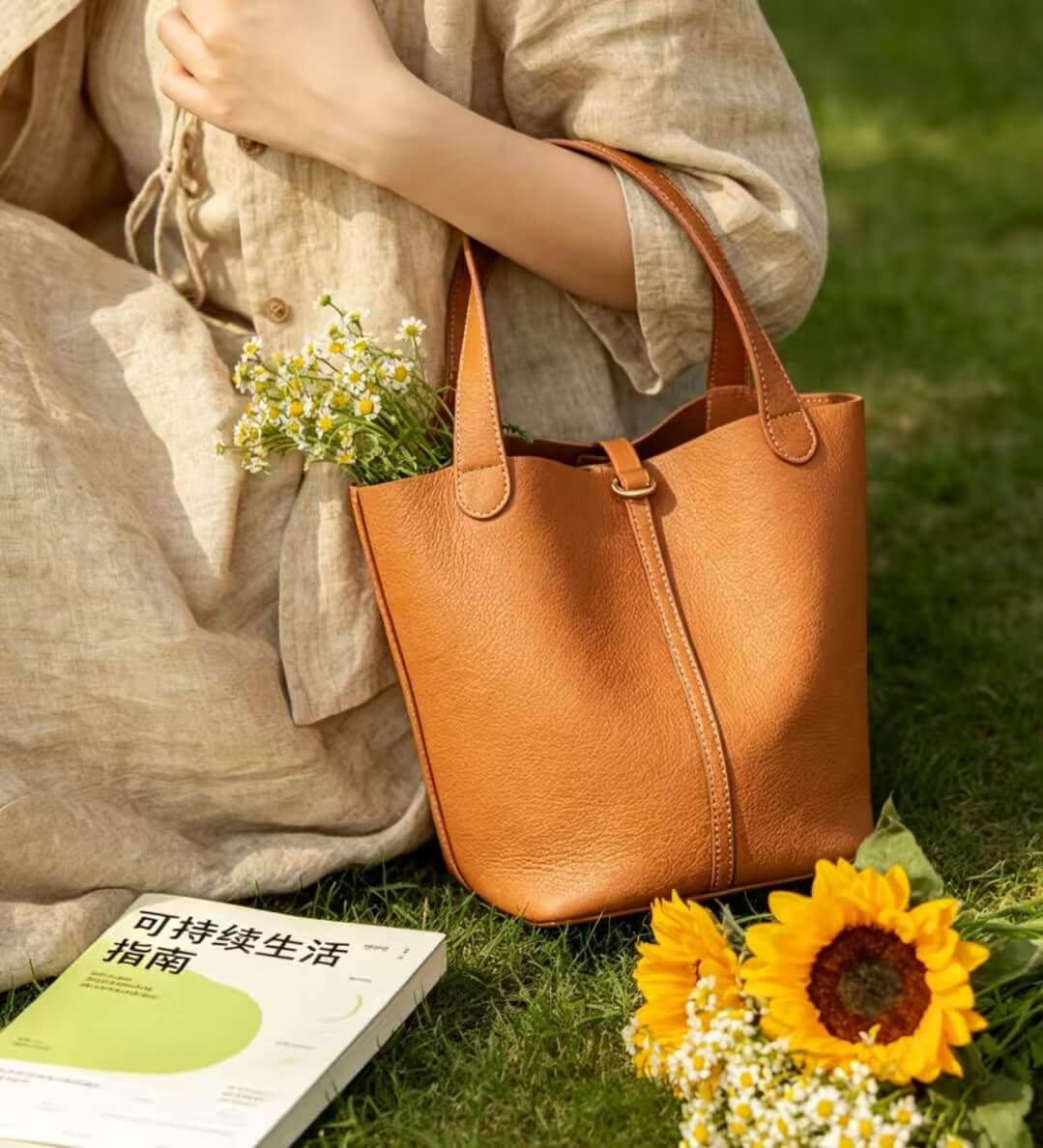
In the fashion lexicon, the term pleather is increasingly impossible to ignore. Simply put, pleather meaning refers to what we commonly call artificial leather. But today, when we talk about artificial pleather, we’re no longer referring to stiff, cheap substitutes with harsh odors. Instead, it has evolved into a choice that blends aesthetics, ethics, and sustainability—especially in the realm of handbags, the accessory that most vividly expresses personal style.
Modern Artificial Pleather: From Plastic to Plant-Based
Traditionally, artificial pleather mainly came from petroleum-based PVC or PU. However, market trends are shifting. According to industry reports, the global vegan leather market is projected to reach around $1.69 billion in 2024.
For handbags, this opens exciting new possibilities. Mexican biotech companies have developed cellulose leather from fruit waste, already applied to jackets. When you pick up Tory Burch’s Ella Bio handbag, you may be touching a bio-based leather created using proprietary protein technology from a U.S. company. Even Gucci has launched its internally developed plant-based vegan leather, Demetrea, for its iconic 1955 Horsebit handbag. These are no longer concepts—they are tangible items in store windows.
Choosing Your Pleather Bag for Every Lifestyle
Selecting an artificial pleather bag is no longer a “second choice” to real leather but an active decision based on your lifestyle. Here’s a guide:
-
Urban Commuters: You need a durable, spacious, and easy-to-maintain bag. Recommendation: look for tote or messenger bags made from high-performance PU or specially treated recycled materials. These often offer better scratch resistance and water-repellent qualities, perfect for crowded subways and sudden rain. Avoid bags with overly delicate plant-based suede textures.
-
Fashion Trendsetters: You seek unique designs, bold colors, or special textures. Recommendation: this is where artificial pleather excels. Many indie designers use plant-based leathers for their excellent dyeing ability, creating visually striking bags. For instance, mushroom mycelium leather develops unique natural textures. Danish brand Ganni is notably active in this space.
-
Eco-Conscious Shoppers: Your choices are guided by environmental values. Recommendation: research brands’ material descriptions carefully. Prioritize plant-based materials like Piñatex (pineapple leather), apple leather, or cactus leather. Also, consider overall sustainability, such as eco-friendly dyes and recyclable hardware. Stella McCartney has long been a pioneer in this area, offering many examples.


Caring for Plant-Based Pleather Bags
Investing in a quality plant-based pleather bag requires proper care to extend its lifespan. This differs from caring for conventional PU bags:
-
Gentle Cleaning: Most plant-based leathers cannot tolerate excessive water. Use a dry soft-bristle brush to remove dust. For stains, lightly wipe with a slightly damp cotton cloth. Avoid harsh chemical cleaners.
-
Nourishment Timing: Unlike real leather, plant-based leathers generally do not require oils or waxes unless explicitly recommended. Using them may clog pores or create uneven coatings.
-
Storage to Prevent Deformation: When not in use, stuff the bag with tissue paper or cloth, place it in a dust bag, and store in a cool, dry place. Avoid pressure and prolonged contact with dark fabrics, as some plant dyes may transfer under certain humidity and temperature conditions.
-
Repairs Require Expertise: For minor scratches or wear, consult professional leather repair shops. Specialized repair adhesives or color restoration may be available. DIY attempts carry higher risks.
Pleather Meaning Today: Responsible Fashion Choice
Choosing an artificial pleather bag, especially plant-based, has become a blend of aesthetic taste and ethical responsibility. It meets the demand of over 72% of consumers for cruelty-free products and aligns with the fashion industry’s move toward greener, high-end solutions.
In the future, we may see more innovative materials with low water usage like cactus leather or lightweight, durable options like cork leather in handbag design. But the essence remains: pleather meaning is being redefined. It’s no longer a compromise—it’s a gateway to a lighter, more conscientious fashion lifestyle. Next time you shop for a bag, consider giving these “new faces” a chance—they may become the most unique and reassuring accessory in your wardrobe.
Understanding Suede Leather: A Complete Guide
Your Next Bag Doesn’t Have to Be Real Leather: Rethinking Faux Leather
Related Article

Sport bag buyers should check shoe space, lining, ventilation, and load balance. Learn what to inspect before ordering or customizing yours.
Why a sport bag Can Fail When the Shoe Compartment Fills

Quality inspection helps buyers keep repeat canvas tote orders consistent. Learn four checkpoints and practical standards to reduce quality disputes.
Why Repeat Orders Fail Without quality inspection

