
The Hidden Value of Dust Bags in Luxury Handbags
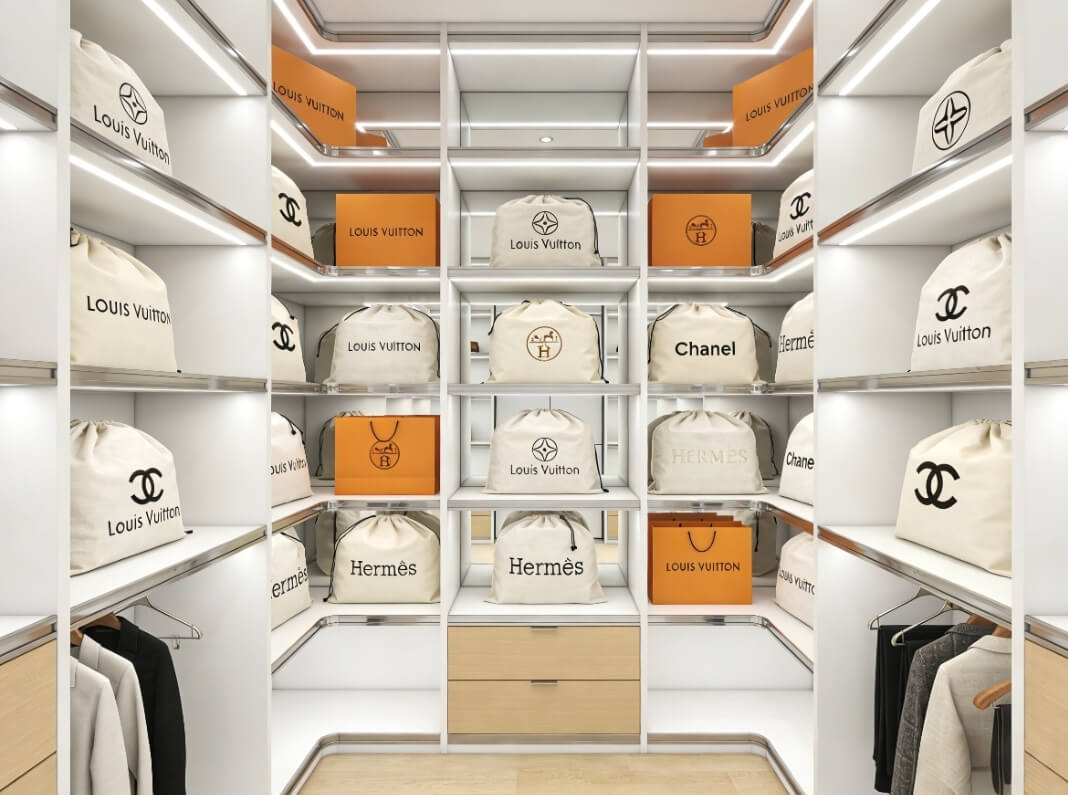
Summary: After rainy season, more than half of the mold cases at repair shops come from bags that were stored in their dust bags. Used correctly, dust bags protect your bag. Used wrong, they turn into a mold greenhouse. They can also be the first thing to check when authenticating a secondhand bag. In 2026, resale data shows full sets (box + dust bag handbag + authenticity card + receipt) sell for 5%–20% more than naked bags—entry-level luxury 3%–12%, top-tier up to 23%. A simple dust bag doesn't look like much, but it can mean hundreds or even thousands more when you sell.
I spent three months hunting down a Neverfull last year. It came with a louis vuitton dust bag—that egg-yolk cotton canvas one. When the sales assistant handed it over, she added: "Don't tie it too tight when you store it. It needs to breathe." I didn't take her seriously. I figured brand people just say stuff like that. So I tossed that dust bag handbag together with a few other dust bags I'd collected—including a balenciaga dust bag I kept specifically for my spare bags—into the top shelf of my closet. I thought, as long as it's wrapped in the original pouch, it's safer than sitting bare, right?
Then rainy season ended. I opened it up and found a layer of gray-green mold spots on the brown vachetta leather trim. When I took it to the repair shop, the guy pulled off that louis vuitton dust bag and laughed. "Third moldy LV this month," he said. "All from customers in the south who sealed their bags too tight."
Why dust bags cause mold—It's common in humid areas
After rainy season, more than half of the mold cases at repair shops are bags that were stored insidetheir dust bags. Pure cotton dust bags absorb way more moisture than non-woven fabric ones. Seal them too tight and you're basically building a warm, humid greenhouse for mold. My Neverfull was proof—I should've listened when she said "don't tie it too tight."
Earlier, I'd picked up a secondhand Balenciaga Hourglass bag. The seller gave me an older cream canvas balenciaga dust bag. I thought I got lucky. Two months later I opened it and found two yellow stains on the light pink lambskin strap. Turned out that bag was fake—polyester fabric that bleeds color. Authentic new-model balenciaga dust bags are mostly black non-woven now. They don't bleed at all.
Legit brands always label what their dust bag handbag is meant for. For example, LV's monogram canvas comes with egg-yolk cotton canvas, but lambskin and patent leather bags need a thinner, more breathable pouch. I didn't know that. That's why my Neverfull got ruined.
💡 Here's something most people miss: LV monogram bags come with egg-yolk cotton canvas dust bags , not cream ones. Balenciaga's newer bags have been using black non-woven dust bags in recent years, though old cream canvas ones still float around on the market. If you buy a 2025 Hourglass and the seller gives you a cream canvas bag, either it's old stock (unlikely—brands match bags to current production runs), or the bag is fake. And if the pouch is fake, you should re-check the bag itself.
Your dust bag handbag is the first test for a fake bag
Most people check hardware and stitching first when buying secondhand. But checking the dust bag is faster. Fake bag factories spend most of their budget on the bag itself. The dust bag details are where they cut corners. This is especially true for popular models like LV and Balenciaga. Here's what to look for:
How to Spot a Real LV Dust Bag
Real ones are thick egg-yolk cotton canvas—not bright yellow, not cream white. The "LOUIS VUITTON" print soaks into the fabric. Flip it over and you can see a faint impression on the inside. The drawstring is thick cotton cord. The holes are double-stitched. On newer models after 2025, the drawstring ends are heat-sealed so they won't fray. Fakes are usually light yellow polyester. The print sits on the surface—scratch it with your nail and it flakes off. The drawstring holes are single-stitched. The fabric feels slippery.
How to Spot a Real Balenciaga Dust Bag
Balenciaga's newer bags have been using black non-woven dust bags with white logos in recent years. Old cream canvas ones still show up on the resale market, but if a new model comes with a cream bag, be suspicious. On real Balenciaga dust bags, the letter spacing in "Balenciaga" is consistent. The opening angle of the letter "c" is about 42 degrees. Fakes tend to make it too sharp or too round, and the spacing is off. Also, the 2024 Fall/Winter runway collection did feature repurposed old dust bags as part of the design—but that was a runway concept, not a sign that the brand switched all its packaging.
Internal link suggestion: Want to check which dust bag your bag originally came with? Click here → 2026 Luxury Brand Dust Bag Year & Model Reference Guide
A practical storage checklist for dust bags and balenciaga dust bag
1. During Rainy Season in the South (Humidity Above 60%)
Don't pull the drawstring all the way shut. Leave it halfway open so the bottom of the bag gets some air. Put a $1 calcium chloride dehumidifier box in your closet. Every two months, take the bag out and let it air for an hour (no direct sunlight—leather cracks). Cotton absorbs more moisture than non-woven fabric. If you live in a humid area, go with non-woven dust bags or use the "half-open method."
2. Light-Colored Lambskin or Patent Leather
Don't use dark-colored original dust bags. For example, don't put a light pink lambskin Hourglass into a black Balenciaga dust bag—the color can transfer. Either turn the bag inside out (rough side facing outward), or switch to a plain white non-woven pouch.
3. When Buying Secondhand, Check the Dust Bag Style First
For instance, LV monogram bags come with egg-yolk cotton canvas, not cream. If the seller gives you a cream one, ask directly if it's a replacement. If you're unsure, take a photo of the inside stitching and logo print and send it to an authenticator. It's faster than unzipping the bag and checking the interior lining. If the dust bag is fake, chances are high the bag itself needs a second look too. You'll save half the time.
4. Lost the Original Dust Bag? No Worries—Just Pick the Right Replacement
Branded dust bags are essentially breathable protective covers. As long as the material is right, a substitute works perfectly. Just choose based on your bag's leather type:
-
Canvas or coated leather (LV monogram, Balenciaga City): Use an old pure cotton pillowcase. Pick a light-colored one with no prints. Cut a small slit at the open end and thread a cotton string through. Costs about 50 cents. Works better than those "original quality" knockoff dust bags sold online.
-
Light lambskin or calfskin (Chanel Classic Flap, LV Coussin): Don't use a pillowcase—cotton fabrics can bleed color onto light leather. Get plain white non-woven dust bags instead. About $1.50 for three. Breathable and color-safe.
-
Patent leather or exotic skins (Balenciaga Hourglass patent, Hermès crocodile): Skip cheap substitutes. Go straight for acid-free cotton dust bags (museum-grade, no acidic chemicals that can corrode leather). Around $10 each. More protective than the original balenciaga dust bag.
Quick note on resale value: In 2026, domestic resale stores reported that a full-set LV Neverfull (box + dust bag + authenticity card + receipt) sells for 8%–10% more than a naked bag—about $70–$210 difference. Balenciaga Hourglass is in the same range. Missing just the dust bag alone typically drops the price by 1%–3%. But if the dust bag isn't original, resellers treat it as a naked bag. Hermès is even tougher—a full set with box and dust bag can command 20%+ premium. A Birkin 30 Black Togo in 99% condition with full packaging sells for about $170 more than without. An original Hermès lock goes for $70–$210 on the secondary market; missing it knocks 8%–10% off the price. So don't toss your original louis vuitton dust bag or balenciaga dust bag—even if you give the bag away, keeping the pouch means more money when you eventually sell.
FAQ: 4 common questions about dust bags
Q1: I'm buying a secondhand bag and the seller says the dust bag is lost but offered me one from another brand. Will that hurt my ability to resell later?
A: Yes. Non-original dust bags count as "incomplete accessories" in the eyes of resellers. For hard-to-get brands like LV and Hermès, the penalty is bigger. Hermès with original box and dust bag can sell for 20%+ more. Without them, the price gets slashed by thousands. When you buy, either ask the seller to knock off the cost of an original dust bag (usually $7–$20), or hunt down a matching one yourself later. It's better than using a random bag from another brand.
Q2: I washed my LV dust bag and now it's stiff. Can I still use it?
A: Yes, but be careful. Cotton canvas shrinks and stiffens after washing—that's normal. It's fine for dark canvas bags (like a monogram Neverfull). But don't use it on light lambskin—stiff fabric can create friction marks and even scratch the leather. When washing dust bags, skip fabric softener. Residual chemicals can transfer onto your bag. Air dry only, no direct sun.
Q3: How do I tell if an LV or Balenciaga dust bag is real in 10 seconds without opening the bag?
A: Check three things: ① Color—LV real ones are "egg-yolk cotton," not bright yellow. Balenciaga newer models use black non-woven; cream canvas old models still circulate, but if a new bag comes with cream, be suspicious. ② Logo—Flip the LV dust bag inside and you'll see a faint imprint of "LOUIS VUITTON" on the reverse. Fakes only have it on the front. ③ Drawstring—LV uses thick cotton cord with double-stitched holes. Newer Balenciaga dust bags have heat-sealed drawstring ends that don't fray. If any of these three don't match, the dust bag is probably fake—and you should re-authenticate the bag too.
Q4: My bag already has mold from being stored in its dust bag. Can it be saved?
A: Depends on how bad it is. Light surface mold (hasn't soaked into the leather yet): Use a 75% alcohol wipe and gently dab the spots. Test on a hidden area first. Let it air dry, then apply a matching leather conditioner. That usually covers it. Heavy mold (already penetrated vachetta or lambskin inner layers): Don't try DIY. Send it to the brand's after-sales service or a professional leather care shop. It costs more, but it's cheaper than throwing the bag away. And fix your storage method first—otherwise it'll happen again.
Does Your Dog and Carrier Meet Airline Standards?
Best Insulated Tote Bag Guide: Keep Hot and Cold Food Fresh
Related Article


