
Why Some daypacks Fail on the Trail and How to Choose Better
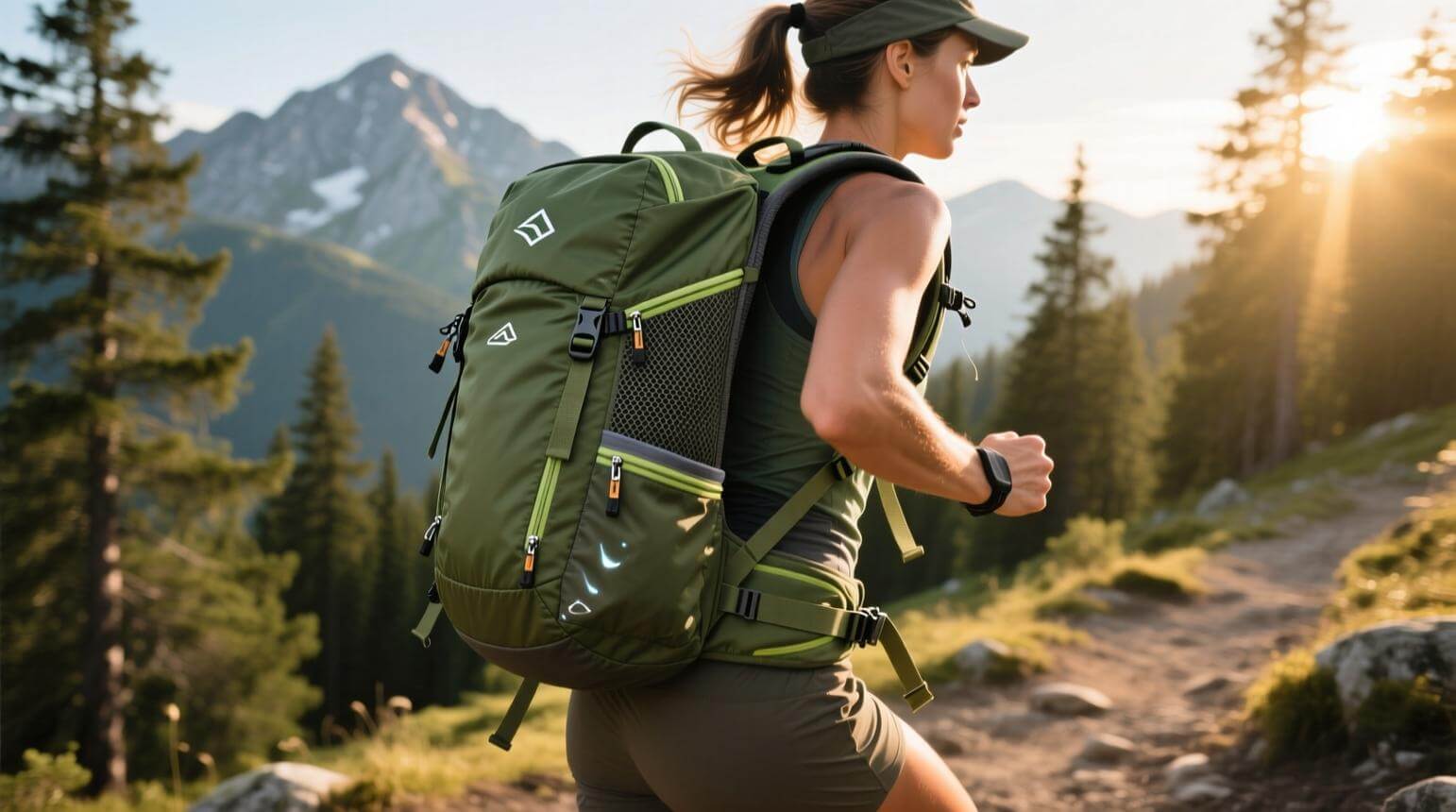
Why do daypacks with the same capacity and advertised features feel comfortable for some people but cause shoulder pain or suffer structural damage for others?
One traveler bought a travel pack with daypack after seeing its “2-in-1” marketing claims. Excited about using it for a short trip, they only discovered at the airport that removing the detachable daypacks still left the main pack too large for the budget airline’s carry-on restrictions. What was supposed to be a two-in-one travel solution ended up needing to be checked in. To make matters worse, the included detachable daypack was poorly made and had no padded laptop compartment. It was just about good enough for casual city sightseeing, but nowhere near capable of handling the demands of hiking day packs.
Another traveler wanted to keep things simple and took an ordinary daypacks on a six-hour hiking trail. The pack was lightweight, but halfway through the hike, its thin shoulder straps started digging into their shoulders, leaving red marks. The soft, flimsy fabric offered little structure, and once a water bottle was packed, the entire bag began leaning to one side. Constantly adjusting it throughout the hike made the experience far less enjoyable.
Many people shopping for daypacks, hiking day packs, and a travel pack with daypack are easily influenced by online marketing. They expect one bag to handle every situation. In reality, each type of backpack has its own strengths and limitations. No single design can perform equally well in every setting.
How hiking day packs Are Designed for Day Hikes
Let's start with hiking day packs, which are specifically designed for single-day outdoor adventures. Most mainstream models have capacities ranging from 10 to 35 liters. REI's gear guidance notes that hiking packs larger than 35 liters are generally better suited to lightweight overnight trips.
When trying on hiking day packs in a store, many models feel comfortable at first. However, once users get out on the trail, problems can quickly emerge. After 30 minutes of climbing or descending, the pack may start shifting around, putting pressure on the shoulders and leaving the back soaked with sweat.
One important detail that many buying guides overlook is backpack fit. Your height alone is not enough to determine whether a pack fits properly. Torso length matters just as much. Even if the capacity seems right, an incorrectly sized torso fit can make an otherwise comfortable backpack uncomfortable and tiring during longer hikes.
Chest straps and hip belts on hiking day packs do not necessarily need to stay fastened at all times. When crossing streams or navigating slippery rocks, outdoor guides may recommend loosening or unfastening these straps to reduce the risk of being dragged underwater if you fall.
Many hiking packs also feature multiple external attachment loops. If you rarely carry an ice axe or trekking poles, these attachment points may add unnecessary weight without offering much practical value.
How to Choose daypacks for Everyday Use
Standard daypacks are generally designed for commuting, city outings, exhibitions, and casual day trips.
Many people want a single everyday backpack that can handle work, gym sessions, and weekend hikes. In practice, compromises are inevitable.
A backpack designed primarily for commuting may lack the support needed for extended hikes. Carrying a heavy load over several hours can quickly lead to fatigue. On the other hand, a hiking-oriented backpack may look out of place in an office, while its laptop compartment and overall design may not suit everyday professional use.
There are two practical ways to approach this.
The first is to choose a versatile everyday backpack that prioritizes the activities you do most often.
The second is to use a primary backpack and carry a separate foldable daypack as a backup. Foldable models take up very little space and can easily fit inside a suitcase. However, their lightweight construction usually limits how much weight they can carry. They work well for short city outings but are not suitable for extended hikes.
What to Check When Buying a travel pack with daypack
A travel pack with daypack is often marketed as a convenient solution for long-distance travel. The idea is simple: detach the smaller backpack and use the two bags separately for city sightseeing and shorter outings.
However, users in outdoor communities frequently report two recurring problems.
1. Detachable zippers wear out over time
The zippers connecting the smaller backpack to the main travel pack are frequently used components. Repeated attachment and removal can eventually cause the zippers to stick, while stitching around the connection points may begin to wear down.
2. The main pack may still exceed airline carry-on limits
Before purchasing a travel pack with daypack, always check the main backpack's external dimensions after the smaller bag has been removed.
Some products are not designed with airline baggage restrictions in mind. Even after detaching the daypack, the main pack may still exceed carry-on size limits, creating problems when flying with budget airlines.
There is also the issue of the included daypack itself.
Manufacturers often have to work within tight cost constraints when producing detachable accessories. As a result, many included daypacks lack adequate padding and water bottle side pockets. They may be perfectly fine for casual city sightseeing, but they often fall short of the requirements for proper hiking day packs.
Separate Bags vs. an All-in-One Travel Pack
Choosing two separate bags, such as a large travel backpack paired with a separately purchased everyday daypack, also has its drawbacks.
A separate setup offers greater flexibility, but you have to manage and keep track of two bags throughout your trip.
An integrated travel pack with daypack offers the advantage of built-in storage for the smaller backpack. You do not need to pack a second bag separately, making this setup more convenient for travelers whose trips mainly involve city sightseeing.
Neither option is universally better. The right choice depends on how you travel and what you expect your bags to do.
How to Choose the Right daypacks for Your Needs
Here are three straightforward recommendations you can take away:
1. For day hiking: Choose dedicated hiking day packs. Pay close attention to torso fit and hip belt load support rather than judging a backpack by its capacity alone.
2. For commuting and everyday city use: Stop looking for an all-purpose backpack that does everything. Choose a design that best matches your most frequent activities.
3. For detachable travel backpacks: Before placing an order, verify two things: the main pack's external dimensions after detaching the smaller bag, and the actual construction and features of the included daypack. Never assume the detachable bag is suitable for hiking.
Whether you choose an integrated travel backpack or two separate bags should depend on your personal travel habits. There is no one-size-fits-all answer.
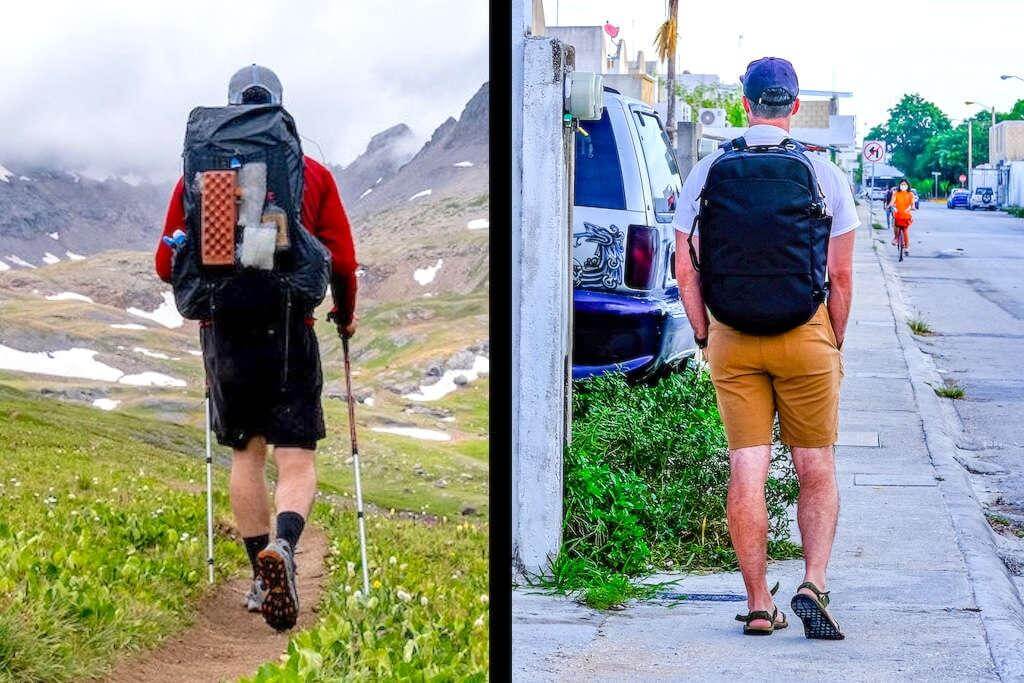
Custom daypacks and Backpack Manufacturing: What Businesses Should Know
Outdoor brands, lifestyle product companies, and cross-border retailers often face the same practical challenges discussed above.
Ready-made products on the market do not always offer the right balance of carrying comfort and material durability. Details such as detachable zipper strength on a travel pack with daypack and hip belt fit on hiking day packs are frequently overlooked in mass-produced products.
The factory has extensive experience working with international outdoor and luggage brands and understands the real-world challenges associated with daypacks, hiking day packs, and a travel pack with daypack.
Its manufacturing capabilities allow adjustments to carrying structures, zipper connectors, and fabric abrasion resistance. Product configurations can also be tailored to specific use cases, helping prevent common issues such as including a detachable daypack that lacks the features needed for short hikes.
XINHUI offers free initial design consultations and sample evaluations. It also accepts small-batch orders. Finished products undergo basic stitching, hardware, and load-bearing tests, with general export certification requirements taken into consideration.
If you want to avoid the common shortcomings of mass-produced backpacks, contact the team to discuss your product requirements and intended applications.
FAQ
Q1: Can I buy a third-party daypack online and attach it to my detachable travel backpack instead of using the original one?
In most cases, you cannot simply swap one bag for another.
Detachable daypacks supplied by manufacturers usually come with proprietary webbing, clips, or attachment points. Regular standalone backpacks generally do not have compatible connection systems.
Trying to secure a third-party bag yourself can throw off the load balance, cause excessive movement while walking, and potentially damage the main backpack's fabric.
If the original detachable daypack gets damaged, your best option is to contact the brand for an official replacement. If replacement parts are unavailable, use your new daypack separately rather than trying to attach it to the larger travel backpack.
Q2: Do wider and thicker hip belts always mean better support on hiking day packs?
No. Proper fit matters more than padding thickness.
Even a wide, heavily padded hip belt cannot transfer weight effectively to your hips if it does not follow your body's natural contours.
For people with smaller frames or narrower hips, an overly wide or thick belt may dig into the hip bones and cause discomfort.
When choosing hiking day packs, check whether the hip belt sits naturally around your hip bones instead of simply comparing how thick the padding is.
Q3: Will a foldable daypack wear out quickly if I keep it compressed inside my suitcase for long periods?
Occasional folding during travel is unlikely to cause significant damage.
However, keeping a bag tightly compressed for months at a time is not recommended. Repeated pressure along the same fold lines can put continuous stress on the fabric.
For long-term storage, unfold the backpack and keep it in a cool, well-ventilated place. This helps slow down fabric deterioration around the creases.
Never fold and store a backpack while it is still damp. Trapped moisture can damage the fabric coating and lead to mold growth.
How to Choose a Reliable Mesh Bag for Washing with Ease
Related Article


