
Crepe Fabric Bags: Elegance Meets Practicality
author: li
2026-04-07
Are you searching for a handbag that not only enhances your everyday outfits but also exudes personality? The answer might lie in a fabric you’ve likely encountered but never truly explored—crepe fabric. Today, let’s dive into how this vintage-inspired, delicately textured crepe material transforms handbag design. Is it a fashion treasure, or a delicate choice that demands careful attention?
What Is Crepe Fabric: A Quick Guide
Before we go deeper, we need to answer what is crepe fabric . Simply put, crepe fabric isn’t tied to a single fiber; it’s defined by its texture. Through high-twist yarns, special weaving techniques, or finishing processes, the fabric develops a uniform, fine, and slightly crinkled surface. This unique texture gives crepe fabric its name—derived from the French “crêpe,” meaning crinkled yarn.
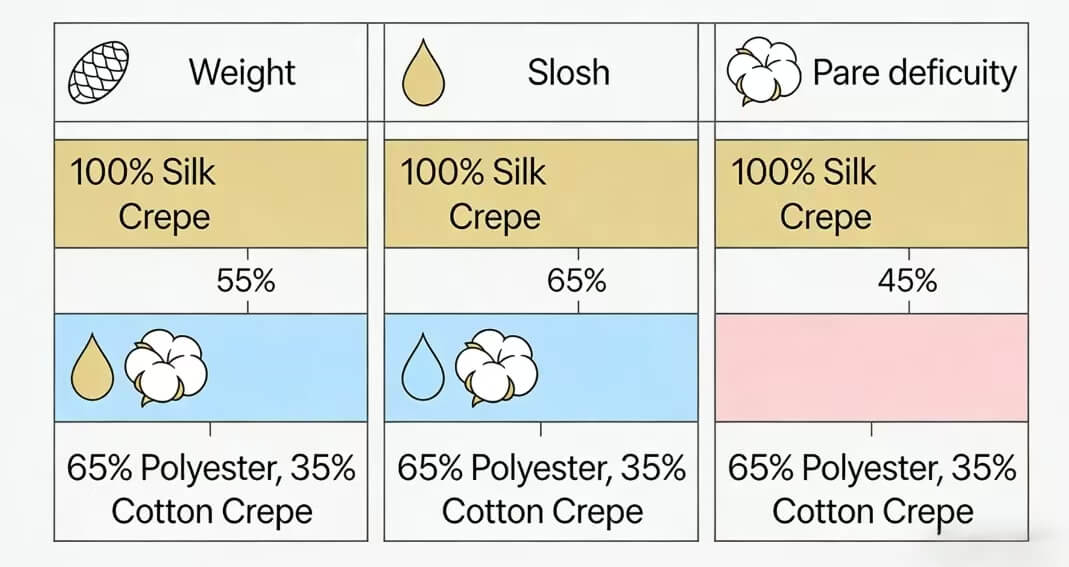
To truly define fabric composition , it’s important to know that crepe fabric can be made from a variety of fibers, including natural options like silk, wool, cotton, and synthetic ones such as polyester or rayon. So, when asked, “What kind of material is crepe?” the answer is not one-size-fits-all—the final qualities depend heavily on its fiber makeup.
Is Crepe Fabric Good Quality for Bags?
So, is crepe fabric good quality ? When applied to handbags, the question deserves a nuanced look.
Why Crepe Material Bags Are Appealing
-
Lightweight and Comfortable: crepe material is usually soft and light, making bags effortless to carry—perfect for casual totes or cloud-like soft handbags.
-
Rich Texture: Its natural wrinkles scatter light to create a unique matte or subtle sheen, adding depth and sophistication even in minimalist designs.
-
Hides Imperfections: Everyday use can cause dents or folds. Thanks to its textured surface, crepe fabric cleverly disguises these marks better than smooth leather.
-
Versatile Style: From flowing silk crepe evening bags to structured wool crepe office totes, and durable polyester crepe material shopping bags, different fibers allow vastly different aesthetics.
What Are the Disadvantages of Crepe Fabric?
When it comes to bags, the drawbacks of crepe fabric become more specific:
-
Structure: Very soft crepe fabric may not hold a defined shape on its own, often requiring linings, padding, or quilting to maintain structure.
-
Durability: Natural fibers like silk crepe are delicate; friction on corners, bottoms, or straps can lead to fuzzing or wear more quickly than canvas or leather.
-
Maintenance: Care varies by fiber. Silk crepe fabric bags may require professional dry cleaning, while blends are easier to manage but still need careful cleaning to preserve texture.
-
Water Resistance: Most crepe material is not waterproof, so it should be protected from rain and spills.
Is Crepe Fabric for Summer or Winter?
Is crepe fabric for summer or winter? The answer depends on its fiber composition:
-
Summer-Friendly: Silk, cotton, or rayon crepe fabric bags are breathable and cool to the touch—ideal with dresses or linen shirts.
-
Autumn/Winter: Wool or heavier blends provide warmth and texture, perfectly complementing sweaters and coats for a vintage-inspired look.
-
All-Year: Polyester crepe material is stable, vibrant, and unaffected by humidity, making it wearable year-round.
Crepe Material vs. Cotton: Which Works Best?
Many shoppers wonder: Which is better, cotton or crepe?
This isn’t a competition but a choice between style and function:
-
Cotton (Canvas): The “sturdy warrior.” Durable, easy to clean, carries weight well, casual, and reliable for commuting, shopping, or travel.
-
Crepe Fabric: The “elegant poet.” Focuses on texture, drape, and refined femininity. Ideal for light loads, social outings, tea dates, or evening events.
If you need a bag to “carry everything,” go cotton. If you want a bag as a visual highlight, crepe fabric is unmatched.
How to Choose and Care for Crepe Fabric Bags
Check Lining and Structure
A quality crepe material bag is more than its exterior. Check the lining (polyester or satin) to protect contents and reduce friction. Look for subtle reinforcements like non-woven or padded inserts at the bottom or sides to keep soft shapes upright.
Choose Fiber for Your Lifestyle
-
Busy City Life: Polyester or polyester-blend crepe fabric is wrinkle-resistant, durable, and low-maintenance.
-
Style-Conscious Users: Silk or wool crepe bags shine in special occasions but require careful handling.
-
Eco-Friendly Choice: Look for bags made from recycled polyester or organic cotton crepe material for sustainable elegance.
Care Tips
-
Cleaning: Follow care labels. Spot clean with a lightly damp cloth and air dry.
-
Storage: Never hang. Stuff with tissue paper or old t-shirts, store flat in dust bags, and avoid heavy pressure.
-
De-Wrinkling: For travel wrinkles, gently steam from a distance—never use direct high heat.
Crepe Fabric: A Bag Beyond Fashion
Ultimately, crepe fabric transforms handbags into something more than mere accessories. It brings a delicate texture into daily life, turning function into an aesthetic experience. Understanding what is crepe fabric and being able to define fabric composition lets you move past asking “Is crepe fabric good quality?” and instead focus on whether a crepe fabric bag fits your lifestyle and mood.
Choosing a crepe fabric bag is embracing texture, softness, and a kind of elegance that demands gentle care. It may not be rugged, but its unique story and refined charm shine brightest in an industrialized world.
What is Cashmere: Origins, Ethics, and Impact
Smart Buying of Cowhide Leather: Avoid the “Genuine Leather” Trap
Related Article

Bulk order risk starts before production. See how quality control in manufacturing keeps custom canvas bags consistent and protects your investment.
Why Your bulk order Can Fail Despite Perfect Samples

Sport bag buyers should check shoe space, lining, ventilation, and load balance. Learn what to inspect before ordering or customizing yours.
Why a sport bag Can Fail When the Shoe Compartment Fills

