
Daily Bags That Last and Impress Using Cotton Twill Quality
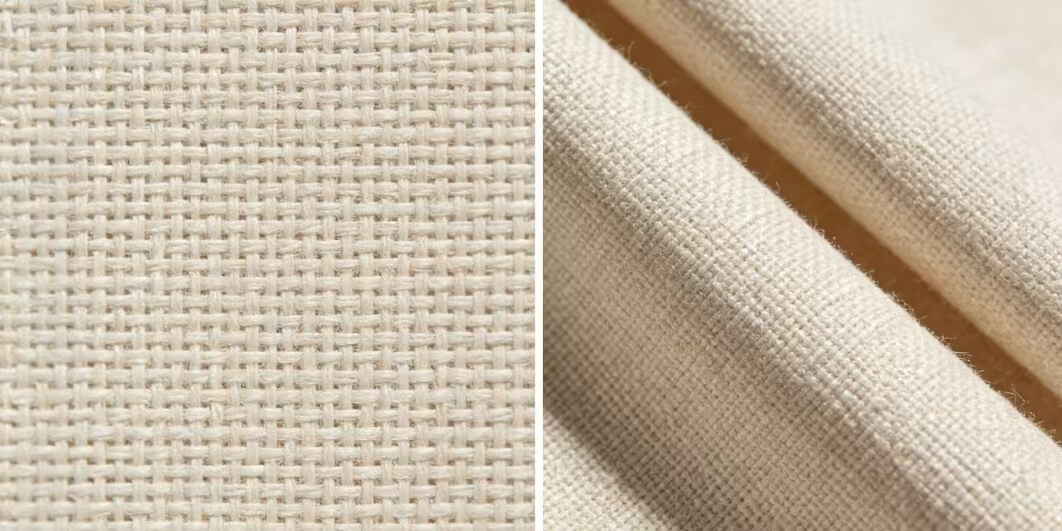
Choosing a daily commuter bag often comes with ridiculously high standards. It has to be tough enough to survive crowded subways, sharp desk corners, and even an unexpected downpour. At the same time, it must look polished, fitting seamlessly into both meeting rooms and coffee shops. Ideally, it should also have a quiet personality of its own. This quest often ends with a fabric that seems ordinary at first glance, yet hides remarkable intelligence—cotton twill.
Cotton Twill: What It Is
cotton twill is, quite simply, a pure cotton fabric woven in a diagonal pattern. But behind this definition lies the secret to giving your bag real character.
What is the difference between cotton and twill?
“Cotton” is the fiber, while “twill” is the framework. If plain weave (like standard canvas) gives the fabric its skin, the twill weave provides its skeleton. This diagonal interlacing of warp and weft threads allows twill cotton material to display its signature subtle diagonal texture. This isn’t just a visual feature—it’s the source of exceptional physical performance.
Cotton Twill vs Canvas: Not Just Another Fabric
-
Canvas (plain weave): Stable in structure but relatively stiff, it starts off crisp but loses shape at stress points over time, becoming limp and shapeless.
-
Twill cotton: Its diagonal structure acts like architectural tension cables, distributing pressure evenly. Bags made from it achieve a “flexible firmness”—they feel soft, yet maintain an impressive three-dimensional shape. Empty or full, they stay structured, giving that coveted sense of refined sturdiness.
Cotton Twill Material in Daily Commuting
-
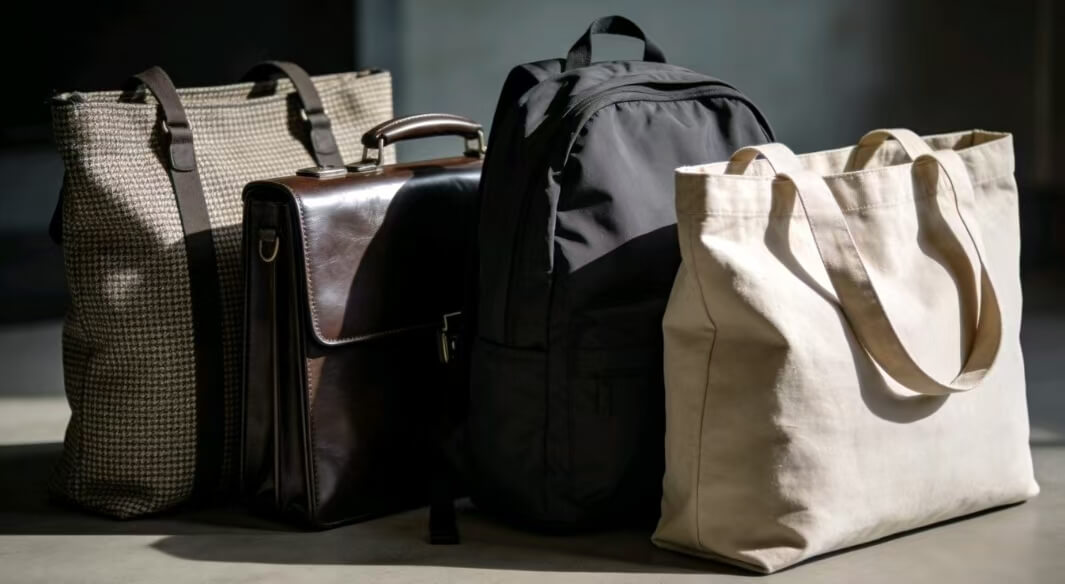
Against leather: It avoids leather’s weight and fussiness while offering comparable texture and elegance.
-
Against nylon: It surpasses nylon’s casual, sporty feel, blending effortlessly into a broader range of outfits with the warmth of natural cotton and the subtle texture of twill.
-
Against plain cotton: It addresses the latter’s tendency to collapse and lack support.
Cotton Twill Disadvantages
Let’s confront the common question: what are the disadvantages of cotton twill?
Two points often come up:
-
Untreated, its water resistance is limited.
-
High-quality twll cotton material may feel firm or slightly stubborn at first.
For the first point, a simple eco-friendly waterproof spray can handle everyday splashes—almost like a ritual that starts a lasting companionship.
The second point is actually a cherished “flaw.” The initial firmness signals the fabric’s promise of longevity. It’s not a finished product but a partner waiting to be shaped. Over time, it molds to your grip, adapts to how you pack it, and develops a soft sheen at the edges. From a standardized industrial item, it becomes a personal artifact recording your life. This nurturing quality of cotton fabric twill creates a deep emotional bond between fabric and user. Its three core strengths—durability, shape retention, and easy care—remain consistent, while that initial “stubbornness” sparks the romance of a long-lasting relationship.
Cotton Twill Sustainability and Longevity
-
Source: More fabrics now use GOTS-certified organic cotton or GRS-certified recycled cotton, reducing environmental impact at the start.
-
Core: The durability granted by the twill structure is sustainable by nature. Doubling a product’s lifespan nearly halves per-capita resource use and carbon footprint, directly countering the “throwaway” culture of fast fashion.
-
End: Cotton-based fabrics are more environmentally friendly than synthetics when their life ends.
Choosing the Right Fabric: How Twill Unlocks Durable and Stylish Bags
Lycra Fabric Material: The Key to Everyday Bags
Related Article


