
coated canvas bag Leaking?
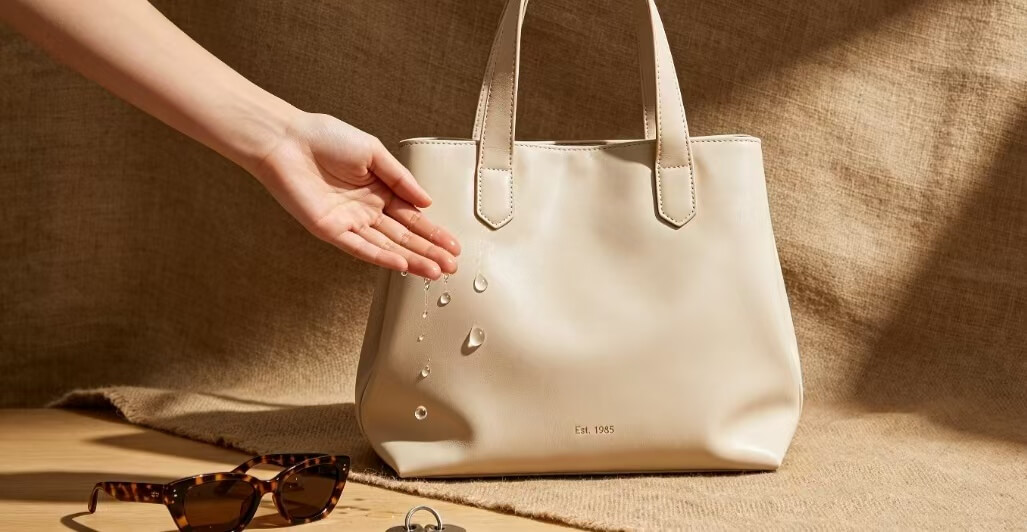
Canvas naturally absorbs water. Untreated cotton canvas will soak through when exposed to rain and can take a long time to dry. That is why, when making a bag, the real factor that determines whether it can resist rain is not the canvas itself. It is the coating applied to the surface.
In the textile industry, fabric coming off the loom is known as greige fabric. It is only after dyeing, finishing, coating, or laminating that it becomes a true waterproof fabric bag material. Likewise, the performance of waterproof canvas fabric for bags depends largely on the type of coating used and the quality of the coating process.
If you are shopping for a coated canvas bag, understanding coating technology is far more important than simply reading the word "waterproof" on a product label.
coated canvas bag Waterproof vs Water Repellent Explained
One of the biggest misconceptions in the coated canvas bag market is that many sellers use "water repellent" and "waterproof" as if they mean the same thing. They do not.
Water Repellent
Water repellency creates a very thin protective layer on the fabric surface. Water beads up and rolls away instead of soaking in immediately.
Benefits include:
- Maintains fabric breathability
- Lightweight finish
- Ideal for light rain and accidental splashes
However, this protective layer is very thin. After repeated washing or heavy abrasion, the effect gradually weakens.
Waterproof
A waterproof fabric requires a complete barrier created through coating or membrane lamination. This barrier prevents water from penetrating the fabric.
Waterproof performance is normally measured by hydrostatic head, also called water pressure resistance.
It is important to remember that waterproof coatings are not permanent. Every coating gradually wears down through everyday use, friction, UV exposure, and washing.
Before purchasing a coated canvas bag, do not rely on marketing claims alone. Look for real waterproof performance data whenever possible.
waterproof canvas fabric for bags Coating Types Explained
There are several coating systems used for waterproof canvas fabric for bags, but four dominate the bag manufacturing industry.
Each one affects the feel, weight, lifespan, flexibility, and waterproof performance of a coated canvas bag.
PU Coating (Polyurethane): The Best Choice for Everyday Bags
PU coating is currently the most widely used waterproof coating for a coated canvas bag.
It forms a thin, flexible film around the canvas fibers, preventing water penetration while preserving the natural drape and soft texture of the fabric.
Waterproof Level
Medium to high. Suitable for light to moderate rain.

Flexibility
Excellent. The fabric remains soft and comfortable.
Cost
Moderate, making it ideal for large-scale production.
Expected Lifespan
Approximately 2–4 years under normal daily use, based on Szoneier's in-house fabric performance testing.
Typical Applications
- Tote bags
- Backpacks
- Fashion shoulder bags
One major advantage of PU coating is its excellent low-temperature flexibility. Even in freezing conditions, the material remains soft. PVC-coated fabrics, by comparison, become noticeably stiffer in cold environments.
PVC Coating (Polyvinyl Chloride): Maximum Waterproof Protection
PVC coating creates a thick plastic-like barrier that blocks water almost completely.
This provides outstanding waterproof performance but also makes the fabric noticeably stiffer.
Waterproof Level
Very high. Suitable for heavy rain and short-term water exposure.


Flexibility
Low. The fabric becomes much firmer.
Expected Lifespan
Typically 3–5 years, according to Szoneier laboratory testing. Repeated folding or prolonged exposure to freezing temperatures may eventually lead to cracking.
Typical Applications
- Utility bags
- Large gear bags
- Rolling luggage
- Industrial-style backpacks
Important: PVC-coated canvas can soften and become slightly sticky if left inside a hot vehicle during summer. Many users mistake this for product failure, when it is actually a normal characteristic of PVC under high temperatures.

Waxed Canvas—The King of Vintage Style
Waxed canvas is made by infusing the fabric with paraffin wax or beeswax. Instead of forming a plastic film on the surface, the wax penetrates the canvas fibers and creates natural water resistance while giving the material a distinctive heritage look.
Many premium outdoor and heritage brands rely on waxed canvas because it develops unique character over time.
Waterproof Level
Moderate. Suitable for light rain and everyday splashes.
Key Features
- Rich vintage appearance
- Naturally rugged texture
- Develops a unique patina with use
- White "pull-up" marks (also called chalk marks or crazy horse effect) appear where the fabric bends or rubs. This is completely normal and gradually blends back into the surface during regular use.
Maintenance
Rewax every 6–12 months to maintain water resistance.
Expected Lifespan
Approximately 1–3 years before rewaxing becomes necessary, depending on usage.
One Important Rule
Never machine wash or soak waxed canvas.
Water and detergent can strip away the wax coating, dramatically reducing both its appearance and water resistance.
Waxed Canvas for waterproof bags: Vintage Style
DWR stands for Durable Water Repellent.
Unlike PU or PVC coatings, DWR does not create a waterproof barrier. Instead, it changes the surface tension of the fibers so that water beads up and rolls off.
Because the fabric structure remains unchanged, DWR-treated materials stay lightweight and breathable.
The industry typically evaluates DWR durability using a spray rating test after five washing cycles.
High-quality C6 or modern PFC-free C0 DWR finishes should still achieve a spray rating of at least 80 out of 100 after five washes. Premium finishes can maintain ratings above 90.
Waterproof Level
Low to medium.
Best suited for light rain and occasional splashes.
Breathability
Excellent.
Weight Impact
Minimal.
Expected Lifespan
Typically 6–12 months.
Reapplication with a waterproof spray every 3–6 months is recommended.
Weaknesses
DWR gradually wears off through:
- Washing
- Daily abrasion
- Dirt buildup
- UV exposure
Regular maintenance is necessary to keep water beading effectively.
How to Choose the Right waterproof canvas fabric for bags
The best coating depends on how the bag will be used.
| Bag Type | Recommended Coating | Target Hydrostatic Head | Expected Lifespan |
|---|---|---|---|
| Urban tote bag | PU coating | 1,000–1,500 mm | 2–4 years |
| Hiking backpack | PU or silicone coating | 1,500–5,000 mm | 4–6 years |
| Utility bag or rolling luggage | PVC coating | 5,000 mm or higher | 3–5 years |
| Vintage shoulder bag | Waxed canvas | Moderate water resistance | 1–3 years (requires rewaxing) |
| Lightweight foldable bag | DWR treatment | 0–500 mm | 6–12 months |
Choosing the right coating is the first step toward selecting a reliable waterproof fabric bag that matches your daily needs.
Why Coating Quality Matters More Than Coating Type
One of the most overlooked facts when sourcing waterproof cnavas fabric for bags is that two fabrics with the same coating can perform very differently.
A PU-coated fabric from one manufacturer may last years, while another may begin peeling within months.
The difference comes from manufacturing quality rather than coating type.
Four factors determine the final performance:
Coating Thickness
A thicker coating generally provides better waterproof performance and improved resistance to water penetration.
Adhesion Strength
Strong bonding prevents peeling, cracking, and delamination after long-term use.
Coating Uniformity
Even coating ensures consistent protection across the entire bag instead of leaving weak spots.
Curing Process
Proper curing directly affects durability, flexibility, and long-term stability.
A poorly cured coating may feel fine when new but can quickly become brittle, sticky, or prone to peeling.
Why Testing Matters
When evaluating a waterproof fabric bag, always look beyond marketing language.
Reliable manufacturers should be able to provide testing data such as:
- Hydrostatic head test results
- Spray rating reports
- Adhesion testing
- Abrasion resistance
- Flex resistance
- Color fastness
A certified test report is often far more meaningful than simply seeing the word "waterproof" printed on a product page.
How to Care for a coated canvas bag
Proper care can significantly extend the life of a coated canvas bag . While high-quality coatings are designed for everyday use, improper cleaning can permanently damage the waterproof layer.
Daily Cleaning
Follow these simple steps to keep your bag in good condition:
- Use a soft brush to remove loose dust and dirt.
- Wipe stained areas with a soft cloth dampened with water and a mild detergent.
- Use a clean damp cloth to remove any soap residue.
- Allow the bag to air dry naturally in a shaded, well-ventilated area.
Never use a hair dryer or leave the bag in direct sunlight to speed up drying.
Five Mistakes That Can Ruin a coated canvas bag
The following practices can permanently damage the coating and shorten the lifespan of your bag.
❌ Machine Washing
Machine washing can cause:
- Color fading
- Fabric shrinkage
- Loss of shape
- Damage to waterproof coatings
For waxed canvas, machine washing removes the wax entirely.
❌ Melamine Foam Sponges
Magic Erasers may seem harmless, but they work like extremely fine sandpaper.
They can roughen the coated surface and create tiny pores that reduce water resistance.
❌ Alcohol-Based Cleaners
Strong solvents may discolor the fabric or weaken certain coatings.
Always use a mild, pH-neutral cleaner.
❌ High Heat
Avoid:
- Direct sunlight
- Clothes dryers
- Heat guns
- Hot air blowers
Heat accelerates coating aging and may soften PVC coatings.
❌ Long-Term Storage in Damp Spaces
Moisture encourages mold and mildew growth.
Store your bag in a cool, dry, and well-ventilated place.
Caring for Mixed-Material Bags
Most modern coated canvas bag designs combine multiple materials rather than using canvas alone.
Each material requires different care.
Canvas Body
- Soft brush
- Mild detergent
- Spot cleaning only
Leather Handles
Keep leather as dry as possible.
If it gets wet, wipe it dry immediately.
Apply a quality leather conditioner every 2–3 months to prevent drying and cracking.
Metal Hardware
Wipe with a dry cloth.
Avoid chemical cleaners that may damage the finish.
Interior Lining
Remove light stains using a slightly damp cloth.
Avoid soaking the lining.
How to Check Whether the Coating Still Works
A simple water-drop test can tell you whether your coated canvas bag still offers effective protection.
Step 1
Place one drop of water on an inconspicuous area.
Step 2
Observe what happens.
- Water beads up and rolls away: The coating is still performing well.
- Water slowly absorbs: The coating is beginning to wear and may need maintenance.
- Water immediately soaks into the fabric: The waterproof coating has failed.
Three Common Causes of Coating Failure
Most coating problems are caused by one of these factors:
- High temperatures: PVC coatings may soften or become sticky inside hot cars.
- Improper cleaning: Machine washing is one of the fastest ways to destroy waterproof coatings.
- Poor storage: Damp, enclosed environments encourage mold and accelerate material degradation.
Understanding these risks will help your bag maintain its appearance and performance for years.
Our coated canvas bag Manufacturing Capabilities

As both a bag manufacturer and fabric supplier, we provide complete solutions from coated fabrics to finished products.
PU-Coated Canvas Bag Manufacturing
Ideal for:
- Tote bags
- Backpacks
- Fashion shoulder bags
PU coating offers excellent flexibility, a soft hand feel, and reliable waterproof performance for large-scale production.
PVC-Coated Canvas Fabric Supply
We supply PVC-coated canvas in standard fabric weights ranging from 300–600 g/m², suitable for industrial bags, luggage, and heavy-duty applications.
Waxed Canvas Processing
Using traditional paraffin wax impregnation techniques, we produce premium waxed canvas with an authentic vintage appearance for heritage brands and custom collections.
waterproof canvas fabric bags Wholesale
We offer a wide range of coating options, including:
- PU
- PVC
- Silicone
- DWR
Our engineering team can recommend the optimal hydrostatic head rating based on your bag design and intended application.
One-Stop Bag Manufacturing
From fabric development and coating to pattern making, production, and quality control, we provide end-to-end manufacturing services for custom bag projects.
Conclusion
A coated canvas bag is not permanently waterproof. The true performance of a waterproof fabric bag depends on verified hydrostatic head ratings rather than marketing claims alone. Likewise, the quality of waterproof canvas fabric for bags is determined by far more than the coating type. Coating thickness, adhesion strength, application consistency, and curing quality all play equally important roles.
When choosing a bag, pay attention to the coating. When sourcing fabric, ask for professional test reports. That is the most reliable way to avoid buying a so-called "waterproof" bag that fails when it rains.
The real value of coated canvas lies in the perfect combination of base fabric and coating technology. The same canvas can deliver completely different performance depending on the coating applied. Once you understand how these coatings work, you will be able to make informed decisions and avoid misleading waterproof marketing claims.
How to Choose the Right non woven tote bag Without Overspending?
cotton canvas tote bag Buying Mistakes You Can Avoid
Related Article


