
From “Made in China” to “China Choice”: How a Handbag Tells the New Era China luxury Story
author: li
2026-04-20
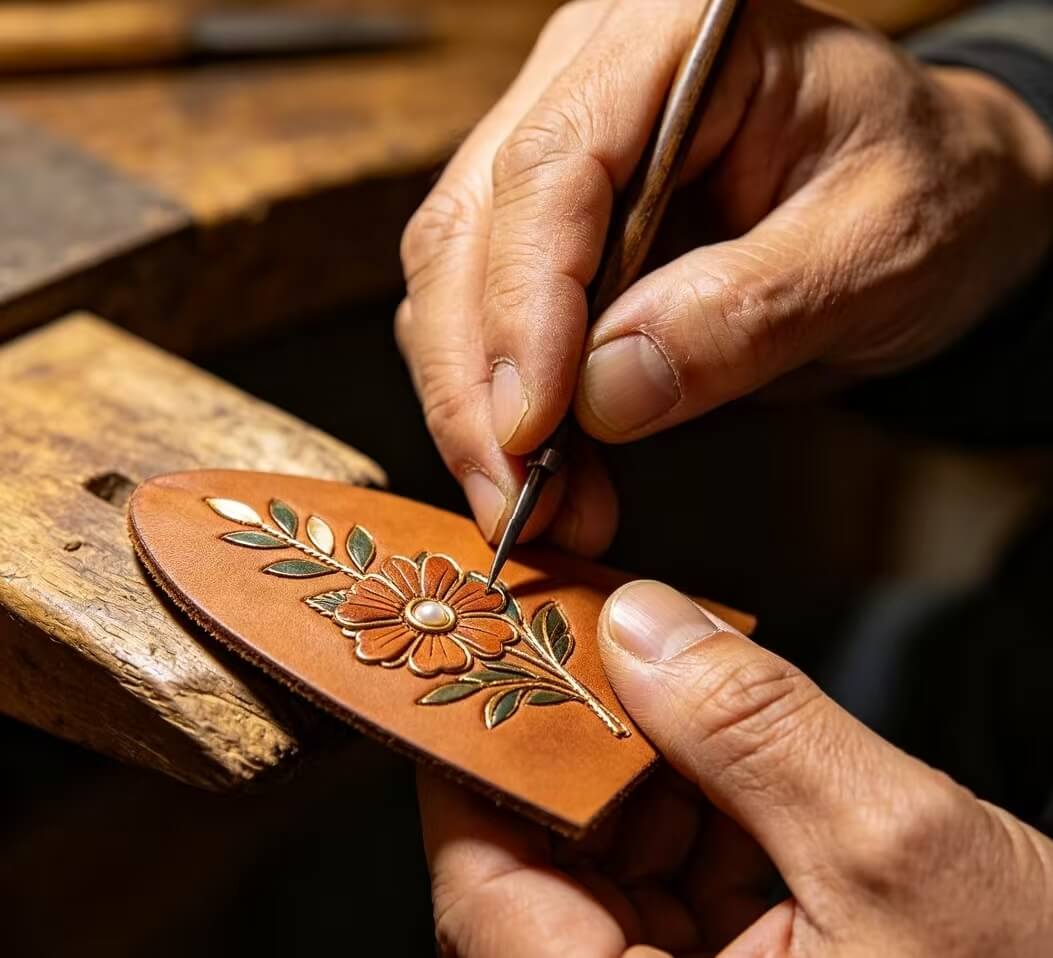
As the world turns its gaze to the immense potential of the china luxury market, a more subtle and moving narrative is unfolding in the compact space of a handbag. It’s no longer just about soaring consumption numbers; it’s about the awakening of aesthetic confidence, the reevaluation of craftsmanship, and the deepening of emotional connections. The luxury industry in china is undergoing a quiet but profound transformation, and handbags—intimate, visible symbols of fashion—have become the central stage of this change. This isn’t just the China story of international brands; it’s a new dialogue between china and china and luxury brands about identity, culture, and values.
China luxury Beyond Symbols: The Consumer “Mindset Upgrade”
In the past, a designer handbag was a “hard currency” for entry into certain social circles. Today, Chinese luxury consumers—especially the dominant Gen Z and millennial cohorts—are redefining what luxury means. According to MDRi’s 2025 China Luxury Consumer Forecast Report, 56% of mainland Chinese consumers plan to increase their luxury spending in 2025. What drives them is no longer mere logo worship, but the integration of Chinese cultural elements, unique experiences, and the sustainable values that brands uphold.
This shift is particularly evident in handbag consumption. Bain & Company reports that although the overall market faced challenges in 2024, consumers have become more discerning and individualistic. They ask: What else does this bag offer besides the brand? Does its design fit my lifestyle? Is the craftsmanship worth the price? Does it carry a compelling story or responsible philosophy? Competition in the luxury industry in china has evolved from vying for logo recognition to winning consumers’ cognitive and emotional alignment.
Local Awakening in China and luxury brands: Answering “Which luxury brands are from China?”
Market changes have opened unprecedented opportunities for domestic brands. The rise of “Guohao” (national products) is no longer a slogan. In the handbag sector, a group of Chinese brands is responding with tangible product excellence. They capture the mindset shift of luxury consumers with precision.
For instance, DUNMU LIANGJIN combines Tang dynasty inlay woodcraft with modern handbags—wood as material, silk brocade as lining. One fully inlaid clutch requires 194 steps and costs tens of thousands of RMB, redefining the craftsmanship heights of china luxury . Brands like Shanxia You Song and Qiuzhen, in the affordable range, leverage their deep understanding of Eastern aesthetics and modern commuting needs to compete directly with international accessible luxury brands online, sometimes even topping sales charts. Together, these brands answer the once tricky question: Which luxury brands are from China? Today, the answer is a list full of creativity and sincerity.
The success of these Chinese high-end or luxury brands isn’t a simple replication of Western paths. They are deeply rooted in local culture: drawing inspiration from Dunhuang murals, classical literature, and transforming traditional crafts like bamboo weaving and embroidery into contemporary forms. More importantly, through platforms like Xiaohongshu and Douyin, they establish direct, vivid, and equal dialogues with consumers, telling their brand stories, building community culture, and bridging the gap from “making products” to “creating resonance.”
Excellence in the luxury industry in China: Innovation in Supply Chains
Creative brand design requires a strong manufacturing foundation. china luxury handbags are supported by excellence and innovation embedded throughout the supply chain, far beyond marketing hype.
In industrial hubs like Guangzhou and Dongguan, a model known as “flexible fast response” has become standard: rapid sampling and swift delivery. Behind this lies a highly digitalized and modular supply chain management system. Take Xinhui, for example. Its factory, located near both Guangzhou and Shenzhen ports, benefits from a prime geographic position that provides exceptional convenience for serving global clients. With over 20 years of experience, they not only ensure strict quality control but also offer comprehensive professional services covering the full process from design support and prototyping to mass production. Their products support deep customization—from materials, dimensions, and shapes to brand logos, and even multiple zipper compartments upon client request for organized storage. This “on-demand customization” capability is precisely the core competitive advantage that responds to today’s trend of personalized consumption.
At the same time, exploring sustainable materials has become the frontier of industrial innovation. Pineapple leaf fibers, recycled PET from plastic bottles, coffee grounds leather… these seemingly unconventional materials are transformed into stylish, durable handbags in Chinese factories’ labs and production lines. From international brands like Coach’s sub-brand Coachtopia to domestic companies developing eco-friendly materials, sustainability is no longer just a marketing term—it’s a real product innovation and cost-effective practice. This adds a new value dimension to china luxury handbags: exquisite and responsible.
Emotional Value in China luxury: Handbags as an “Extension of Self”
Ultimately, all innovation returns to the relationship between people and objects. In today’s Chinese luxury landscape, a handbag’s value increasingly transcends its physical function, becoming a carrier of personal stories, emotional memories, and lifestyle attitudes.
It might be a reward for a woman’s career promotion, a “comrade” witnessing her daily commute and achievements; or a dowry piece infused with parental blessings, a “companion” on travel capturing scenery. Domestic brands excel at tapping into these emotional connections. Their designs consider Chinese women’s everyday habits—like storing phones, umbrellas, or thermos cups—and their marketing tells stories of “companionship,” “growth,” and “self-achievement.”
This deep emotional investment builds strong brand loyalty and transforms consumption from a one-time transaction into the start of a long-term relationship. Brands extend this relationship through professional maintenance, repair services, and even in-person craft experiences—turning “selling a bag” into “integrating into a life story.”
Conclusion: Redefining Value in China and luxury brands
Therefore, when we revisit the topic of China bags: A Closer Look at Excellence and Innovation, its significance becomes remarkably rich. It reflects the maturation of Chinese consumers’ mindset, moving from chasing symbols to seeking substance; it highlights the transformation of Chinese brands from behind-the-scenes OEMs to creative leaders; and it emphasizes the backbone of China’s manufacturing ecosystem, where companies like Dongguan Xinhui Accessories Co., with decades of dedicated experience, international alignment, and flexible customization capabilities, have evolved from “order executors” into “value co-creators,” forming a central force in the luxury industry in china and shaping the ongoing dialogue between china and luxury brands.
China’s luxury industry is reshaping value within the microcosm of handbags. Here, “luxury” is cultural confidence, supreme craftsmanship, emotional richness, and future-facing responsibility. This may be the most compelling face of china luxury in the new era.
Don’t Rush to Buy a New Bag! In 2026, Give Your Old Bag a Handbag Structure Revolution
Say Goodbye to Choice Paralysis: Does Your Next Bag Need Composite Leather?
Related Article

Bulk order risk starts before production. See how quality control in manufacturing keeps custom canvas bags consistent and protects your investment.
Why Your bulk order Can Fail Despite Perfect Samples

Sport bag buyers should check shoe space, lining, ventilation, and load balance. Learn what to inspect before ordering or customizing yours.
Why a sport bag Can Fail When the Shoe Compartment Fills

