
Smart Buying of Cowhide Leather: Avoid the “Genuine Leather” Trap
author: li
2026-04-07
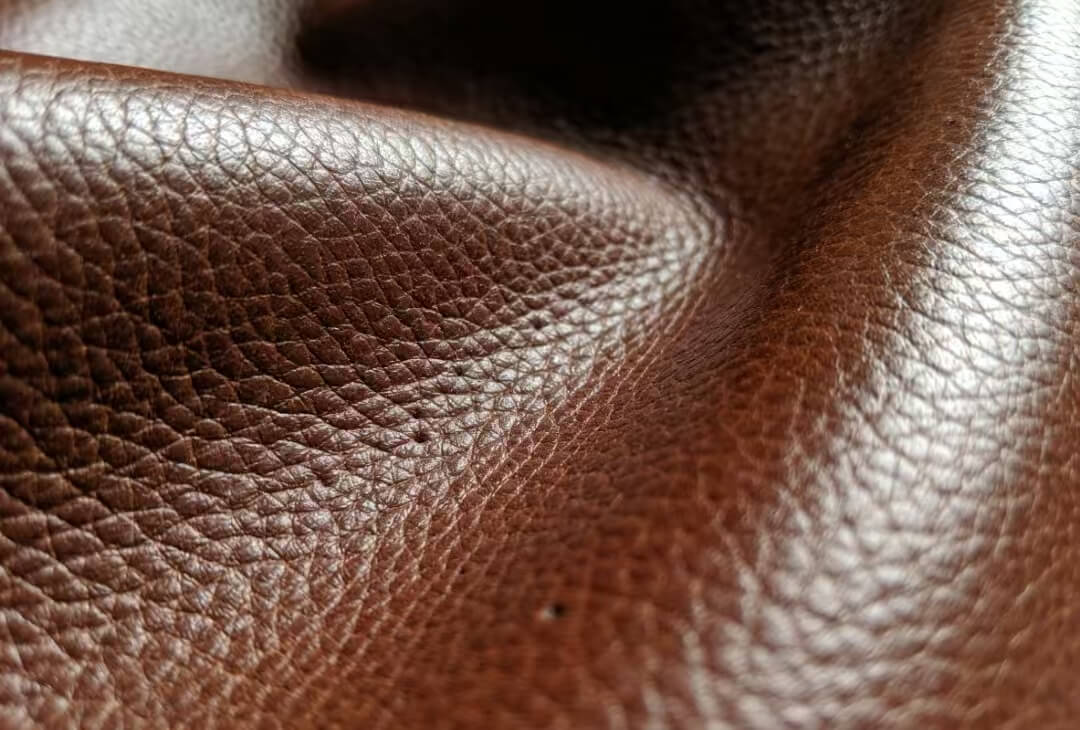
When you’re ready to invest in a leather jacket, a handbag, or a sofa, a few questions likely come to mind: what is cowhide leather? Is it the same as the “genuine leather” often found on store labels? In the showdown of cowhide leather vs genuine leather , which one truly deserves your money and trust? More importantly, is cowhide leather good? Is it really as durable and worthwhile as the hype suggests? Today, we’ll skip the flashy advertising and use the latest market insights and industry facts to map a clear buying guide for cowhide leather.
Understanding What is Cowhide Leather
Simply put, cowhide leather refers to natural leather sourced from cows, processed through tanning and other treatments. It is a cornerstone of the global leather industry. According to the latest industry reports, the global market for cowhide products reached $187.04 billion in 2024, growing at 8.0% annually, and is projected to reach nearly $318 billion by 2031. Footwear accounts for over 65% of the market, with China being the largest production hub.
This data first answers a basic question: is cow leather real leather? Absolutely—it’s genuine leather and one of the most widely used types.
However, the problem lies in the broad use of the term “genuine leather,” which brings us to the key comparison.
Cowhide Leather vs Genuine Leather: Labels and Quality
Seeing a “Genuine Leather” tag in a store often brings relief, making buyers feel they’ve purchased something valuable. Yet within the industry, especially in furniture and accessories, “genuine leather” can be a misleading marketing term. While it indicates the product contains real leather, it often refers to lower-grade layers—such as heavily sanded split leather or bonded leather—whose durability, breathability, and feel fall far short of high-quality cowhide leather .
The U.S. Federal Trade Commission (FTC) updated its Leather Guides in August 2024, requiring manufacturers and retailers to clearly disclose material information and prohibit false claims. This reflects growing awareness of the confusion caused by generic “genuine leather” labeling. Therefore, a smart purchase starts with understanding the true difference in cowhide leather vs genuine leather : the former specifically points to cowhide as the material, while the latter may mask the actual quality and processing.
Why Cowhide Leather is a Smart Choice
To answer is cowhide leather good, we need to look at multiple dimensions, supported by recent data:
1. Durability: Built to Last
High-quality cowhide leather, especially full-grain or top-grain, has a tight fiber structure that resists wear and tear. A well-made cowhide sofa or jacket develops unique patina over time—a quality synthetic material can’t replicate.
2. Sustainability: Reduced Environmental Impact
Historically, leather production faced environmental criticism. But new 2024 data tells a different story. The Leather Working Group (LWG)—an authority formed by brands like Timberland, Nike, and IKEA—submitted lifecycle assessments adopted by the Higg MSI sustainability index. Results show that cowhide leather’s environmental impact dropped by 55–67%, with global warming potential reduced by 60%.
This data comes from 45 factories across 18 countries, covering footwear, automotive interiors, and furniture. When manufacturers follow LWG-certified environmental standards (like water reduction and chemical management), cowhide leather can be a relatively responsible choice. This strongly supports the idea that is cowhide leather good is more than a question of durability—it’s also about eco-conscious selection.
3. Long-Term Value: Beyond Fast Fashion
A quality cowhide leather product holds value not just at purchase but over decades. It avoids frequent replacements associated with fast fashion or low-grade materials, making it an economically and ecologically sustainable choice.
Practical Guide for Buying Cowhide Leather
With a clear understanding of what is coehide leather and how it differs from generic “genuine leather,” you can become a smarter buyer:
-
Ask for the specific type: Don’t settle for “genuine leather.” Ask if it’s full-grain, top-grain, or at least cowhide. Knowing the exact material is the first step.
-
Check certifications: Ask if the leather comes from an LWG-certified tannery. Certification ensures environmental compliance and often signals higher-quality processing.
-
Use your senses:
-
Sight: Natural leather has uneven texture and pores; overly perfect patterns suggest synthetic alternatives.
-
Touch: Real leather feels warm, soft, and elastic; wrinkles should recover naturally.
-
Smell: Authentic leather has a subtle, unique scent—not a harsh chemical odor.
-
-
Read labels and regulations: Especially for online purchases, carefully check product descriptions. According to FTC guidelines, materials like bonded leather must be clearly labeled.
Cowhide Leather vs Genuine Leather
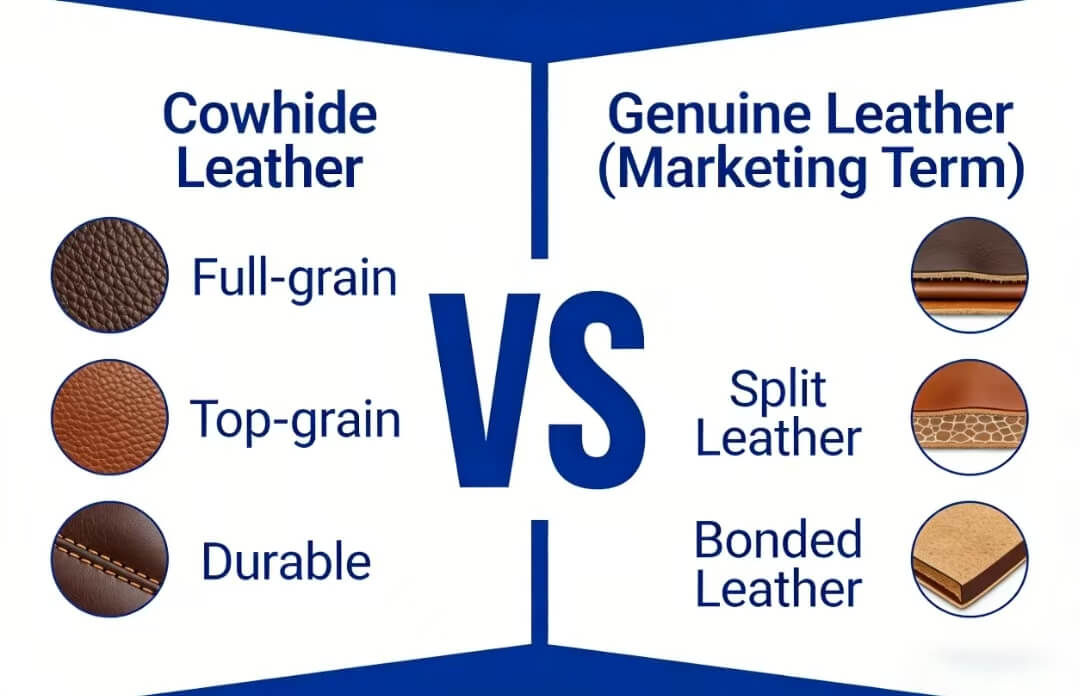
Returning to our initial questions: what is cowhide leather? It is a natural, carefully crafted material that continues to evolve under sustainable practices. Regarding cowhide leather vs genuine leather, the former is more specific and often linked to high quality, while the latter can be a vague marketing label.
Is cowhide leather good? When sourced responsibly and presented in high-quality form, the answer is a definite yes. It is durable, develops character over time, and its environmental footprint is decreasing significantly. The question is cow leather real leather already carries its own answer—it is genuine, mainstream leather that forms the backbone of the leather world.
Next time you shop, carry this knowledge. You won’t just look for a “genuine leather” label—you’ll seek a material that can accompany you for years, rich in story and quality.
Crepe Fabric Bags: Elegance Meets Practicality
The Quiet Luxury Era: Bag Brands Logo is Whispering
Related Article

Sport bag buyers should check shoe space, lining, ventilation, and load balance. Learn what to inspect before ordering or customizing yours.
Why a sport bag Can Fail When the Shoe Compartment Fills

Quality inspection helps buyers keep repeat canvas tote orders consistent. Learn four checkpoints and practical standards to reduce quality disputes.
Why Repeat Orders Fail Without quality inspection

