
Backpack Material Trends in 2026
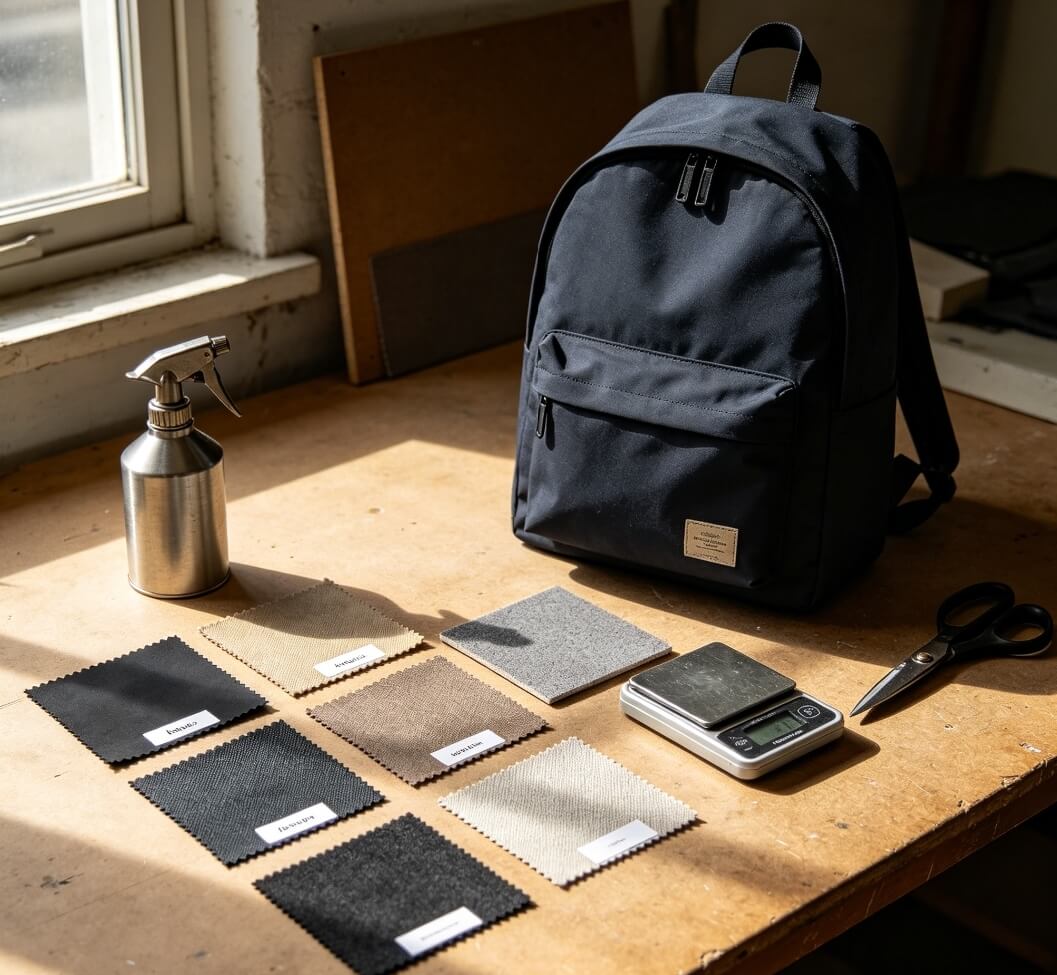
Want to know if your backpack can handle mountains, travel, and heavy use—or if it will start falling apart in just six months? The answer is hidden in its “skin.”
backpack fabric and backpack material decide everything: weight, strength, waterproofing, and even environmental impact.
But when brands talk about “high-strength nylon” or “recycled eco materials,” how much of it is actually true?
Today, no marketing talk. Just real testing. You’ll learn how to turn your home into a simple “fabric lab” and uncover the truth behind backpack material so you can buy smarter.
Why Backpack Fabric Matters
A backpack’s lifespan and performance are 90% determined by backpack fabric.
Strong fabric resists scratches from rocks and branches.
Waterproof and breathable material keeps you dry in the rain.
Lightweight fabric helps you carry more with less effort.
Even more important, sustainability matters now. Your choice of backpack fabric also reflects how you care about the planet. Understanding it means making better decisions for every trip and every dollar.
2026 Trends in Backpack Material
Industry reports show one clear direction forbackpack material: lighter, stronger, greener.
Lightweight and High Performance
Ultra-light high-strength materials are now mainstream.
- UHMWPE composites like Dyneema are several times stronger than nylon
- Up to 40% lighter than traditional fabrics
- Modern hiking backpacks weigh 400–600g but carry 10–15kg
Eco Materials Become Standard
Regulations are pushing change fast.
- By 2026, eco backpacks may reach 28% of the European market
- Recycled nylon (rPET) and bio-based PLA are key materials
- Some bio fabrics reach up to 92% of traditional tear strength
More Functional Fabrics
Modern backpack material is not just about waterproofing anymore.
- Anti-bacterial coatings
- UV resistance
- Self-healing finishes
Silver-ion and graphene-treated fabrics can block up to 99.8% of bacteria.
For consumers and manufacturers, this means a wider range of choices. Take Xinhui Backpack Manufacturer in Dongguan, China, for example. Their products cover a wide range of materials, from classic and durable nylon, rustic and casual canvas, and cost-effective and quick-drying polyester, to PU synthetic leather that combines texture and environmental friendliness. This perfectly illustrates the current trend of diversification in the backpack materials market—no matter what performance or style you need, you can find a corresponding solution.
Home Tests for Backpack Fabric
You don’t need a lab. Just a few simple tools can reveal the truth about backpack fabric.
What you need: water, sandpaper or scouring pad, scissors, kitchen scale.
Test 1: Backpack Fabric Waterproof Test
Pour a small amount of water onto the surface.
Look for:
- Water-repellent (DWR): water beads and rolls off
- Waterproof: water does not soak through, and the back stays dry
Many “waterproof” bags are actually just water-repellent. This test shows the difference clearly.
Test 2: Backpack Fabric Abrasion Test
Rub a hidden area with sandpaper 50–100 times.
Check for:
- Fuzzing
- Color fading
- Surface damage
High-performance nylon or Dyneema shows almost no change.
Test 3: Backpack Fabric Strength vs Weight
- Feel the fabric thickness and softness
- Load the bag with everyday items
If it stays firm without collapsing, it has a strong strength-to-weight ratio.
Lightweight does not mean weak—this is the key idea behind modern backpack material design.
FAQ: Backpack Fabric and Backpack Material
Q1: What does “D” (like 500D) mean? Is higher better?
A1: D means Denier, or fiber thickness. Higher means stronger and thicker, but not always better. Different parts need different D levels.
Q2: Nylon or polyester—which is better?
A2: Nylon is stronger and more elastic. Polyester dries faster and resists UV better.
Q3: Is recycled material lower quality?
A3: No. Modern recycled fabrics perform almost the same as new materials and reduce carbon impact.
Q4: What if waterproofing stops working?
A4: DWR coating can be restored with spray. Damaged internal layers may need repair or replacement.
Q5: Why are thin backpacks expensive?
A5: They use advanced lightweight fibers and weaving technology that balance strength and weight.
Q6: What matters most for daily backpacks?
A6: Durability, water resistance, and light weight.
Q7: How to know if a backpack is eco-friendly?
A7: Check recycled materials, certifications like GRS or Bluesign, and brand transparency.
Q8: Does backpack fabric need care?
A8: Yes. Avoid sun exposure, reduce machine washing, and clean regularly.
Q9: What is Cordura?
A9: A high-strength nylon fiber brand widely used in durable backpacks.
Q10: Do these tests guarantee the perfect backpack?
A10: These tests help you eliminate "unacceptable" options and gain a deeper understanding of product descriptions. They transform your perception from "hearing it's good" to "knowing exactly why it's good." By considering your specific intended use, carrying experience, and budget, you can make informed and confident choices that surpass most people's expectations. Whether choosing a major international brand or researching manufacturers like Dongguan Xinhui that offer diverse material options, you can make a targeted decision.
Summary
Choosing a backpack is really choosing a backpack material system.
Today, backpack fabric is evolving toward lighter, stronger, and more sustainable solutions.
Don’t rely on marketing claims. Touch it, test it, and understand it. Once you really understand backpack fabric, you’re not just buying a bag—you’re choosing a long-term travel companion.
Gym Bag Essentials for Guys: Your Ultimate System
Backpack Sizes and Backpack Capacity Guide: Avoid 7 Health Risks
Related Article


