
Are Packing Cubes Worth It? How to Use Them for Efficient Packing
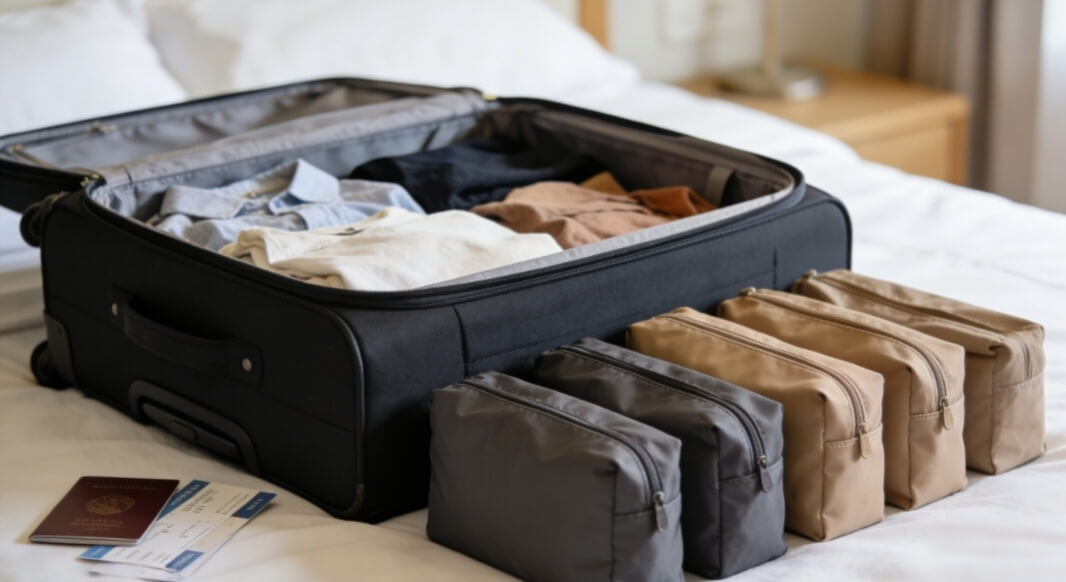
The True Value of Packing Cubes: More Than Just Organization
Psychological Control and Travel Efficiency
Aside from the obvious benefits of packing cubes like sorting and space-saving, their deeper value lies in:
-
Reducing Decision Fatigue and Anxiety: By establishing a predefined system for your items, you won’t have to keep deciding where everything goes during your trip. This reduces mental exhaustion, and research shows that visual order can lower cortisol levels, improving your travel experience.
-
Seamless Transitions Between Locations: For frequent travelers who switch accommodations often, packing cubes act like “portable drawers.” You don’t have to unpack everything; simply grab the cube with what you need for that night.
Potential Drawbacks of Packing Cubes
-
Weight and Space Trade-Off: Packing cubes themselves add weight (about 200-500g), which might be an issue for minimalist backpackers, such as hikers or long-distance travelers.
-
Limitations in Structured Packing: Overly structured packing may not be able to accommodate irregularly shaped items (like large hats or specific equipment). Some packing skills are needed to work around this.
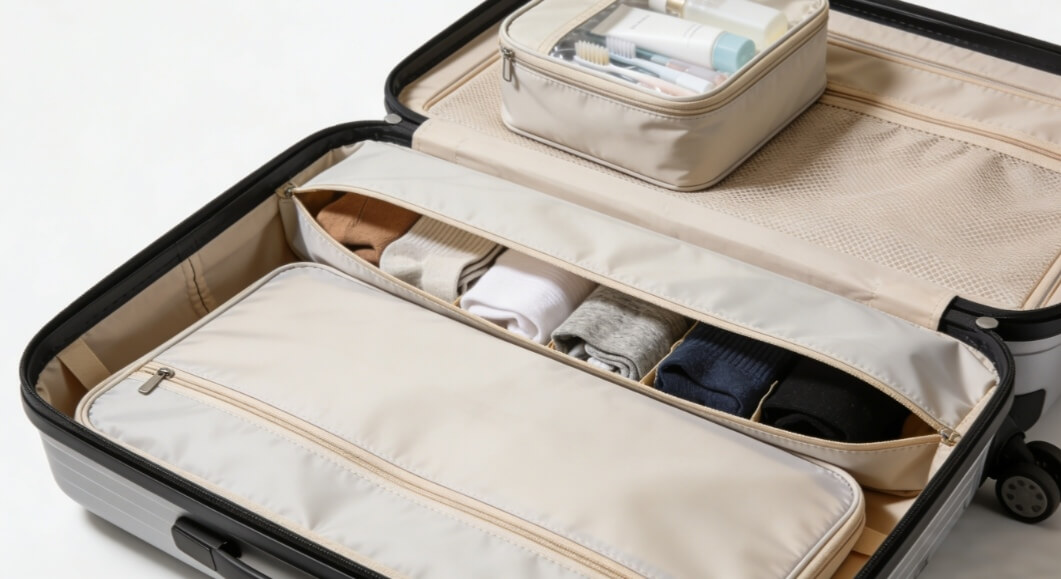
Innovative Trends and Applications: Building a Smart Travel System
Technology-Powered Packing Cubes
Traditional packing cubes are now evolving with technology, offering enhanced security and convenience for travelers:
-
Anti-Theft and Location Tracking: Some innovative brands (like those partnering with Tile) offer packing cubes with built-in Bluetooth tracking chips. You can locate your bags via a mobile app in crowded places like airports, solving the problem of lost “important item” bags.
-
RFID Protection: In response to digital theft risks, some packing cubes are now equipped with RFID-blocking technology, safeguarding your sensitive documents like passports and credit cards from wireless theft.
-
Material Innovation: In addition to basic waterproof coatings, some high-end packing cubes are made from durable tear-resistant nylon and eco-friendly dyes, improving their overall lifespan.
Sustainable Travel Choices
Sustainability is an increasingly important consideration for modern travelers:
-
Environmental Impact of Materials: Opt for packing cubes made from recycled materials, like rPET (recycled PET from plastic bottles). Unlike virgin polyester, rPET significantly reduces carbon emissions and water consumption. In contrast, cotton and linen, while natural, tend to be heavier and harder to dry, which might not be the best choice for travel.
-
Multi-Use Concept: After your trip, packing cubes can be repurposed for home organization, reducing your reliance on disposable plastic storage. Use them to store things like socks, cables, or children's toys.
-
Supporting Sustainable Brands: Choose brands committed to environmental and social responsibility, such as those using ocean-recycled plastics or supporting eco-projects.
Customizing Your Packing Solutions
Packing cubes can be tailored to meet the unique needs of different travelers:
-
Families with Kids: For bulky items like formula, snacks, toys, and extra clothes, use “snack pouches” or “see-through dirty laundry bags” for easy access.
-
Business Travelers: For wrinkle-free suits and protected documents/electronics, consider a “hanging garment bag” or a “padded electronics bag.”
-
Outdoor Adventurers: Waterproof, sand-proof solutions are key. Use “silicone-sealed bags” for important items and “modular gear bags” to separate tools.
-
Long-Term Travelers: Organize by seasons or activities, with color-coded bags for “Winter/Summer” or “Work/Leisure.”
How to Pack a Suitcase Efficiently with Packing Cubes
Roll vs. Packing Cubes: Which is Better?
Is it better to roll clothes or use packing cubes? The answer: They work best together.
-
Rolling Method: For casual items like T-shirts and jeans, roll them tightly and place them in the packing cubes. This maximizes space and minimizes wrinkles.
-
Folding Method: For formal clothes like suits and silk shirts, fold them neatly and place them on top of the rolled items or use a special garment folder.
Golden Rule: Roll clothes vertically into cubes + place heavier items on top (like shoes) → This reduces wrinkles by 68% and allows easy access without disrupting the entire packing system.
Common Packing Mistakes: What to Avoid
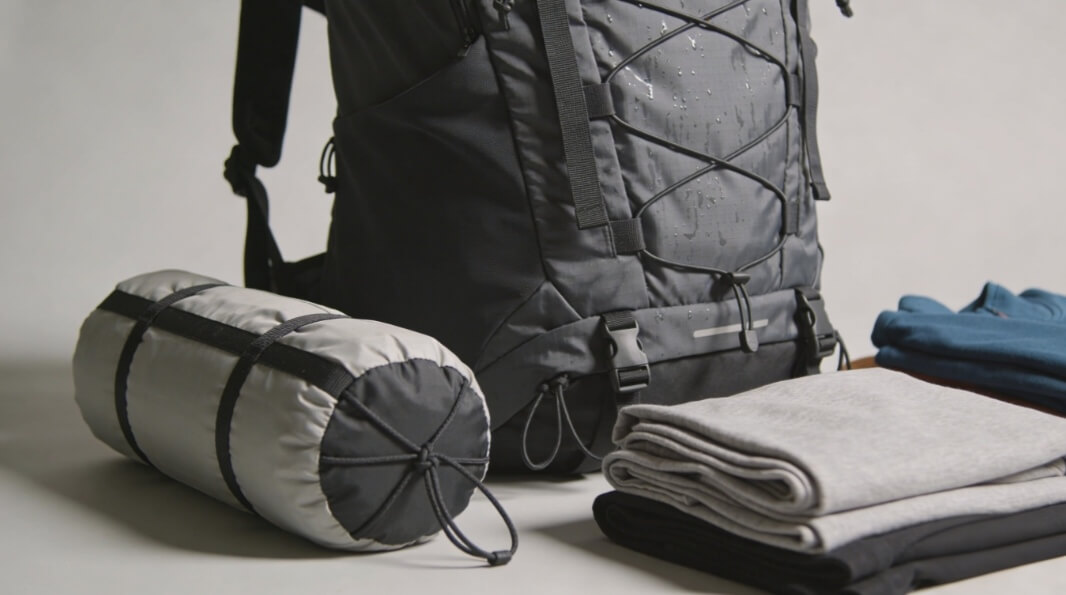
What are the 5 biggest packing mistakes to avoid?
-
Overpacking: Don’t stuff cubes too full, as this can cause zippers to break and clothes to wrinkle. Leave some space (around 10%) for flexibility.
-
Ignoring Weight Distribution: Place heavier cubes (like shoes or electronics) on the suitcase side near the wheels to ensure better balance when rolling.
-
Lack of Dirty Laundry Management: Don’t let clean clothes get mixed with dirty ones. Consider using double-sided or mesh bags to separate clean from dirty items.
-
Improper Liquid Storage: Don’t mix liquids with electronics or clothes. Ensure liquids are tightly sealed and stored in leak-proof bags.
-
Not Labeling: Always take a photo of your packed suitcase. If your luggage is lost, it will be easier to report its contents to your insurance company.
Advanced Packing Tips: Mastering the Tetris Method
-
Bottom Layer: Place the largest packing cubes (like pants or jackets) at the bottom.
-
Middle Layer: Add medium-sized cubes and fill gaps with smaller items like socks or belts.
-
Top Layer: Place frequently used items (like pajamas or toiletry bags) at the top, and stand shoes along the suitcase walls.
What are the 5 biggest packing mistakes to avoid?
-
Ignoring Climate: In tropical climates, breathable cubes can prevent mildew (especially important for Southeast Asia).
-
Mixing Electronics: Chargers and metal items can scratch delicate devices.
-
Overusing Compression Bags: Repeated use of compression bags can damage fabrics like down feathers.
-
Security Delays: Non-TSA-approved zippers can double the inspection time at airports.
-
Mental Overload: Packing unnecessary items (like extra shoes) is often wasteful.
Rational Decision-Making and Long-Term Care: Maximizing Your Investment
Smart Purchasing Guide
-
Limited budget or infrequent travel? Choose basic nylon packing cubes with smooth zippers.
-
Frequent long trips or family vacations? Invest in a set with multiple sizes and compression features.
-
Concerned about security? Look for products with RFID-blocking or Bluetooth tracking.
Full Lifecycle Care
-
Cleaning: Most packing cubes can be machine washed. Use a laundry bag and tumble dry on low or air dry.
-
Storage: Once completely dry, avoid keeping them compressed for long periods. Store them unfolded to maintain elasticity.
-
Repair: Use candle wax to lubricate zippers and fabric tape to repair small tears, practicing sustainability.
Conclusion: Packing Cubes Are Worth It
Are packing cubes worth it? When they evolve from a simple organization tool to a smart travel system, sustainability companion, and stress-reliever, their value is clear.
Next Steps:
Tonight, open your suitcase and try reorganizing it using the tips shared here. Mastering how to use packing cubes and how to pack a suitcase efficiently will improve your travel experience and enhance your quality of life.
Is Backpack Considered a Carry-On? Find the Right Size for Your Trip
The Ultimate Guide to Men’s Bags: Luxury Handbag Brands Customizable Options
Related Article


