
About denim fabric
2024-11-06
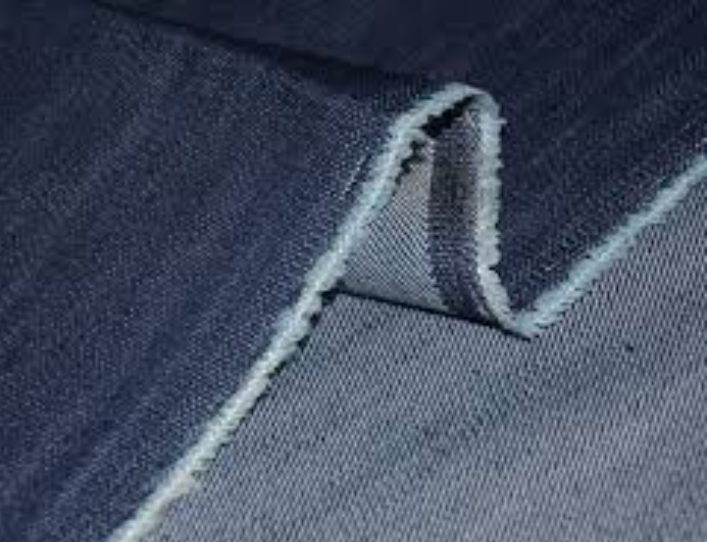
What is denim?
The fabric is made of warp and weft threads, and denim uses indigo-dyed threads for the warp threads and bleached threads (white threads) for the weft threads.
The warp threads are made of yarn dyed with indigo.
Wikipedia and other sources state that "thick threads of 10 or more are used for the warp threads," but denim can also be made using thin threads of 10 or less.
The fabric is made of warp and weft threads, and denim uses indigo-dyed threads for the warp threads and bleached threads (white threads) for the weft threads.
The warp threads are made of yarn dyed with indigo.
Wikipedia and other sources state that "thick threads of 10 or more are used for the warp threads," but denim can also be made using thin threads of 10 or less.
Differences between denim and jeans
Denim and jeans are clearly different names, with denim referring to the fabric (textile) and jeans referring to the pants after they have been made into a product.
However, many people may be confused because some people say, "I'm in the mood for denim today," and wear jeans.
Denim and jeans are clearly different names, with denim referring to the fabric (textile) and jeans referring to the pants after they have been made into a product.
However, many people may be confused because some people say, "I'm in the mood for denim today," and wear jeans.
Characteristics of denim fabric
What are the characteristics of denim?
There are various characteristics and features depending on the dyeing method, dye, and material, so let's check them out.
What are the characteristics of denim?
There are various characteristics and features depending on the dyeing method, dye, and material, so let's check them out.
It is woven in a twill weave with indigo-dyed yarn.
The biggest feature is that it is woven in a twill weave with indigo-dyed yarn, as mentioned above.
It is difficult to generalize if it is woven in a plain weave, but generally it is not called denim.
There is also a knitting structure called denim knit.
It is difficult to generalize if it is woven in a plain weave, but generally it is not called denim.
There is also a knitting structure called denim knit.
Durability
Denim is generally said to be durable.
It is tightly woven and has excellent durability and strength.
It is relatively resistant to friction, and can be said to be a material that is surprisingly fine even if it is handled roughly.
Denim is generally said to be durable.
It is tightly woven and has excellent durability and strength.
It is relatively resistant to friction, and can be said to be a material that is surprisingly fine even if it is handled roughly.
You can enjoy the fading of the color
This is the greatest advantage of denim.
Fabrics are tested for color fastness, but denim is indigo dyed, so color fading is essential, so it is not very fast.
You can enjoy the daily changes in the elbows, knees, and other parts that are often bent and rubbed due to friction. That is the greatest feature and advantage of denim.
Denim is a material that you can wash and wear to your liking, with the awareness of "growing it into your own denim."
This is the greatest advantage of denim.
Fabrics are tested for color fastness, but denim is indigo dyed, so color fading is essential, so it is not very fast.
You can enjoy the daily changes in the elbows, knees, and other parts that are often bent and rubbed due to friction. That is the greatest feature and advantage of denim.
Denim is a material that you can wash and wear to your liking, with the awareness of "growing it into your own denim."

Can be used for a wide range of purposes
When you think of denim fabric, you think of jeans and jackets. Many people think of denim fabric for a wide range of purposes, but it can also be used for a wide range of purposes.
As mentioned above, denim comes in a variety of thicknesses, from a few ounces to around 20 ounces. (There are even larger ounces, but they are not in practical use.)
When you think of denim fabric, you think of jeans and jackets. Many people think of denim fabric for a wide range of purposes, but it can also be used for a wide range of purposes.
As mentioned above, denim comes in a variety of thicknesses, from a few ounces to around 20 ounces. (There are even larger ounces, but they are not in practical use.)
Why is denim used for so many things?
Why is denim used for so many things?
It is difficult to say, but one reason is thought to be its durability, which was also mentioned in the "Characteristics of Denim".
Durable fabrics are easy to handle, just like canvas, and tend to be easy to use not only for clothing but also for miscellaneous goods.
In addition, denim fabrics are often requested by people who like the fading that is unique to indigo dyeing.
The most common uses that customers at our online shop mention are shirts, dresses, pants, jackets, sofa covers, bags, etc.
One of the attractions of denim is that you can take advantage of its characteristics and use it with love to create used-like works.
Things to be careful about when handling denim fabric
So, denim fabric has many good points, but are there any drawbacks or things to be careful about?
Beware of color fading
The color fading mentioned as an advantage can also be a disadvantage, so you need to be careful.
When soaking denim fabric or washing items, always do it separately.
It uses indigo dye, which is prone to fading, so the dye will definitely bleed when soaking or washing.
Also, when soaking, avoid rinsing with water until the color stops fading.
It will be OK if you remove the color and the starch on the surface to a certain extent and shrink the fibers.
Beware of color transfer.
Just like with color fading, denim fabric needs to be careful of color transfer.
Just like with color fading, denim fabric needs to be careful of color transfer.
As mentioned above, it is of course important not to soak or wash denim with other items, but color transfer can also occur due to friction, so be careful.
If the denim bag you made on a rainy day rubs against the white pants you are wearing, the indigo dye may transfer to your pants.
If you use denim fabric for a sofa cover and sit on it, the color may transfer to your pants due to friction.
There is a risk of color transfer like this.
There is no need to worry too much, but it is a problem to be aware of.
Be careful of UV rays when storing
Compared to regular dyes, indigo dye seems to be more susceptible to the effects of UV rays.
When storing denim fabric or storing items you have made for a long time, be careful of sunlight from outside and fluorescent light in the room.
If you pick up an item after a long time, you may find that the parts that were exposed to light (UV rays) have turned white.
If you pick up an item after a long time, you may find that the parts that were exposed to light (UV rays) have turned white.
To avoid this, take measures such as "putting it in a clothes rack" or "putting it in an outer bag" to prevent trouble.
Summary:
Denim fabric has a lot to offer!
Some people may be afraid of denim after seeing its disadvantages, but if you take care to handle it with care, there's nothing to worry about.
Denim fabric is a durable material that goes well with anything, so feel free to handle it with ease and relaxation.
You may be worried about color fading, but this is one of denim's greatest charms.
Enjoy watching the color change little by little with daily washing!
It's a very adorable material that changes in parts that are often bent or rubbed.
Dongguan Xinhui Accessories Co., Ltd
Knowing the length of the package accessories:
Related Article

Sport bag buyers should check shoe space, lining, ventilation, and load balance. Learn what to inspect before ordering or customizing yours.
Why a sport bag Can Fail When the Shoe Compartment Fills

Quality inspection helps buyers keep repeat canvas tote orders consistent. Learn four checkpoints and practical standards to reduce quality disputes.
Why Repeat Orders Fail Without quality inspection

